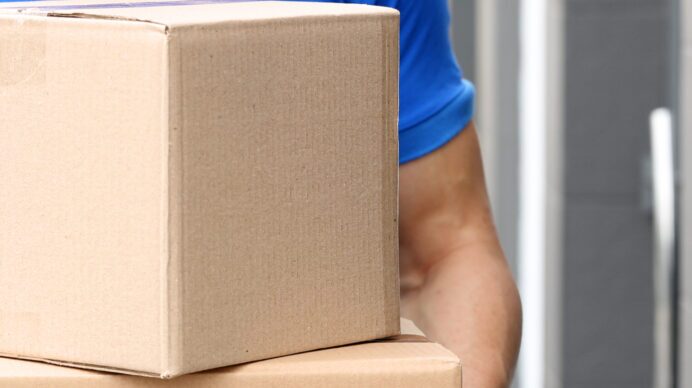




Small package waste is an unfortunate byproduct on the convenience of ecommerce shipping. In 2025, corrugated carboard dominated ecommerce packaging, accounting for 50% of the total packaging market share due to its strength and perceived recyclability. However, that recyclable brown box carries a hidden cost. In the US alone, the cardboard used for ecommerce shipments consumes approximately one billion trees every year.
While heavy hitters like Amazon have made eco-friendly strides (achieving 100% recyclable delivery packaging in Europe), many US brands still have a “recyclability gap” where non-recyclable materials continue to clog municipal recycling systems.
For 3PLs and ecommerce brands looking to reduce small package waste, sustainability is achievable in small, strategic operational adjustments.

Is your 3PL not meeting SLAs?
Our dedicated account managers can help optimize your inventory management and track delivery performance, so you can work on growing your business.

Why is Ecommerce Packaging Waste on the Rise?
The math of modern retail is simple: more clicks lead to more containers. As online sales continue to climb, the volume of waste follows an even steeper trajectory. Currently, online shopping generates approximately 4.8 times more packaging waste per item than traditional brick-and-mortar retail.
The plastic problem is also intensifying. Global ecommerce plastic packaging waste is projected to hit 6.85 billion pounds by 2027, a staggering 77% increase from 2022 levels. This surge is driven by the demand for lightweight, durable mailers and air pillows that protect goods but often bypass the recycling bin entirely.
Beyond the Basics: Fulfillment Solutions for Reducing Packaging Waste
Most brands have already swapped plastic tape for paper or reduced their dunnage. To make a real dent in the waste stream, 3PLs and retailers need to look deeper into how packages move through the fulfillment process itself.
Eliminate Split Shipping
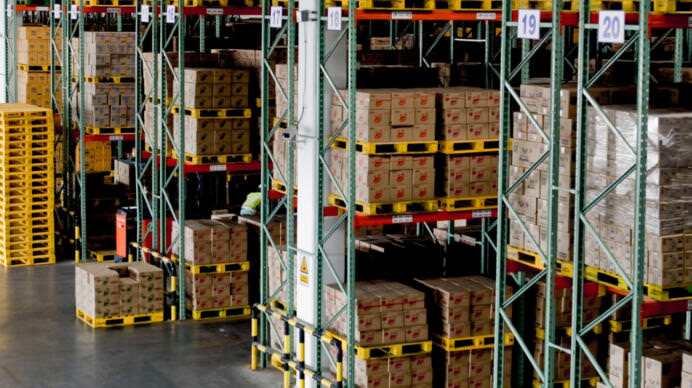
A split shipment occurs when a single order is broken into multiple packages, often because items are located in different warehouses. This is a primary driver of waste, doubling the cardboard, tape, and carbon emissions for a single transaction. By optimizing inventory placement and reconfiguring your package kitting, brands can ensure that a three-item order arrives in one box rather than three.
Leverage Automated Box Sizing
Having only a few carton sizes available is a recipe for packaging waste, plus you’re likely paying to ship air. Implementing a right-size box maker ensures that your packaging matches the dimensions of your most popular product bundles. Using the smallest possible footprint reduces the need for void-fill and will help you improve shipping costs by lowering your DIM weight.
Deter Excess Returns
Returns are a sustainability nightmare because they often require new packaging for the return trip, and many items end up in landfills because refurbishment isn’t cost-effective. One simple, albeit bold, tactic is to eliminate pre-printed return slips as a default. Requiring customers to download a digital QR code or print a label only when necessary, saves massive amounts of paper waste and adds a small layer of more mindful buying that can deter impulsive, unnecessary returns.
Lean Into Refill and Recycle Options
For CPG and subscription-based brands, the closed-loop model is a growing trend. Instead of the box being the end of the journey, make it a vehicle. Encourage customers to send back empty containers for refilling or provide a dedicated return-to-recycle mailer for the packaging itself.
Automated Shipping for Reduced Transit
Technology is the ultimate waste-cutter. AI-driven shipping optimization tools can select the most efficient routes and services, prioritizing lower emissions and faster transit times over simple price calculations.
Bottom Line: Sustainability Is Not Just Packing Materials, It’s Process
Reducing packaging waste isn’t only about using recycled materials. It’s about refining the entire fulfillment process to ensure sustainability is met operationally. Education plays a massive role here. Modern consumers are savvy but also swayed by perception more than reality. If your brand can implement eco-friendly measures from an operation standpoint, you’ll be doing more than the consumer even knows to keep your brand green.
When you treat packaging as a quality process that deserves constant review, you’ll reduce your footprint and increase your customer loyalty.

Looking for a Fulfillment Solution?
We love supporting trendsetting brands. Ask us about our customized fulfillment solutions, dedicated account manager support, and best-in-class order management platform.

This post was written by Maureen Walsh, Marketing Director at DCL Logistics. A writer and blogging specialist for 20 years, she helps create quality resources for ecommerce brands looking to optimize their business.
Tags: Packaging, Sustainability