



Sustainability in ecommerce warehousing has moved from a casual nice-to-have, to a core aspect of many brand identities. Rising energy costs, tighter carrier margins, increasing customer expectations, and growing regulatory pressure all mean warehouses can no longer afford green inefficiency. Sustainability today is less about lofty environmental promises (green washing) and more about building resilient, cost-effective operations that can scale without compounding waste.
Customers are also more informed and less forgiving. They expect faster delivery with fewer emissions, minimal packaging, and transparent practices. At the same time, brands face shrinking profit margins, making eco-friendly choices a more difficult and sometimes more expensive choice than it once was.
In this environment, ecommerce warehouses cannot simply make obvious sustainable choices; they must dig deeper and choose operational initiatives that change their core processes.
Where Sustainability Improvements May be Hiding in Your Operations
Most brands have more sustainable wins sitting inside their existing operations than they realize. These opportunities often hide in plain sight, especially in storage, layout, packaging decisions, and shipping patterns.
1. Warehouse Layout and Storage Optimization
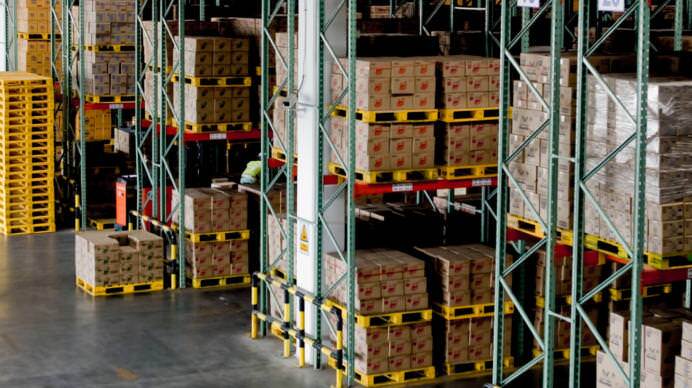
A well-designed warehouse layout reduces double handling, excess travel, and congestion. These inefficiencies quietly consume energy and labor every day.
Warehouse storage design directly influences how much energy your warehouse consumes and how much carbon each order generates. Extra effort within your facility increases the electricity, fuel, and materials required to fulfill every order, even when volumes stay the same.
What to look for to improve energy efficiency from a warehouse layout perspective:
- Store fast-moving SKUs closer to pack stations and main travel paths
- Add logical slotting so pickers walk less and touch pallets fewer times
- Implement conveyance to streamline carrier drops and outbound sortation
- Clear aisles that allow efficient use of carts and material-handling equipment
Each improvement saves time, reduces equipment usage, and lowers the energy required to ship the same number of orders.
2. Packaging Choices and Sustainable Standards
Every box, mailer, and insert is a sustainability decision. When packaging rules live in people’s heads instead of systems, waste will creep in unnoticed.
Common sustainability gaps include:
- Too few carton sizes, forcing oversizing
- Default use of void fill even when it’s unnecessary
- Inconsistent packing decisions across shifts
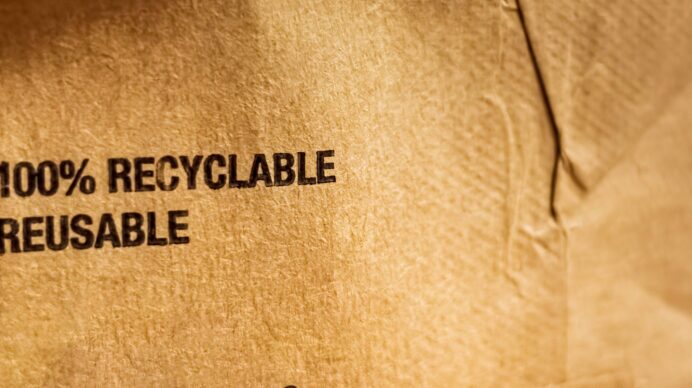
Opportunities to make improvements include reusing cardboard with a shredder to create recycled dunnage, adding automated box-sizing equipment, and standardizing packaging logic, so the smallest effective container is always chosen.
3. Strategic Node Locations for More Sustainable Shipping
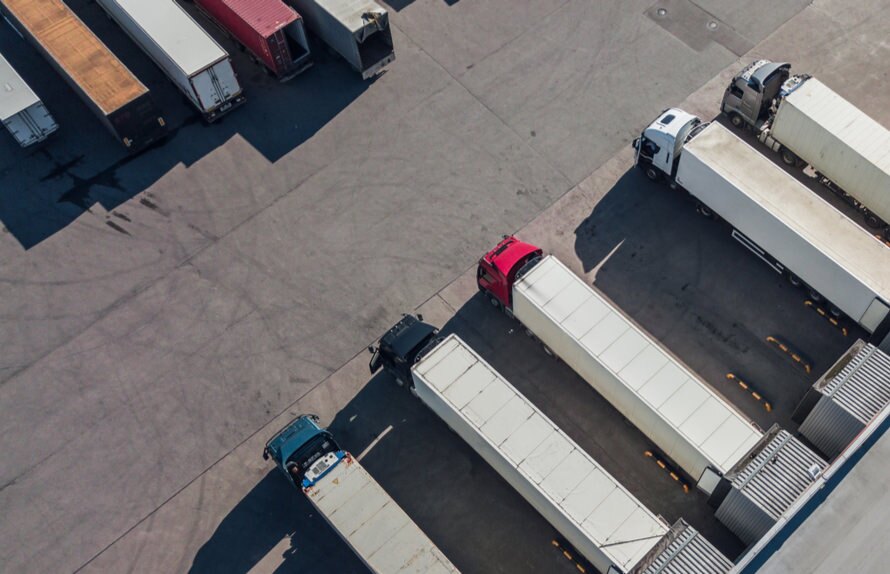
Where you ship from matters as much as how you pack. A distant warehouse may be burning fuel (and your profit margins!) on a per-order basis without anyone noticing.
Warning signs include:
- High average shipping zones for core customer regions
- Heavy reliance on premium shipping services to hit reasonable delivery times
Reducing shipping distance is one of the fastest ways to cut costs and carbon emissions.

Affected by 321 ending or rising tariffs?
Our team of logistics experts will help guide you through changes to customs regulations and help you take action to keep your supply chain uninterrupted.

Sustainability Solutions to Consider
Some of the most impactful sustainability improvements may not look particularly eco-friendly at first glance.
Dynamic Shipping Routing Software
Transportation optimization software that intelligently routes orders between warehouse nodes can significantly reduce transit times. When orders come in, the software will automate which node fulfills and ships the package, resulting in fewer transit days, fewer miles, lower fuel consumption, and a smaller carbon footprint. Faster delivery becomes a sustainability win, not a tradeoff.
Energy Monitoring Systems
Adding energy monitoring systems allows warehouses to understand where energy is actually being consumed. Is it lighting, conveyors, HVAC, or charging equipment? Pairing these systems with solar power (and backup solar power banked in storage) lets facilities use energy more efficiently.
Rethinking Packaging Paperwork and Inserts
Eco-friendly packaging materials are an obvious choice, but paper waste often hides in less obvious places. Move to a digital model for packing slips, return labels, and promotions.
Moving these elements to digital formats reduces paper use and improves customer experience. Brands can also incentivize fewer returns through better product information, fit guidance, and return behavior insights—cutting emissions tied to reverse logistics.
The Impact of Sustainable Warehousing Operations
Sustainable warehouse practices deliver measurable business benefits beyond environmental impact.
- Higher efficiency: Reduced travel, smarter routing, and better layouts increase throughput without adding labor or space.
- Improved process quality: Standardized packaging and clearer workflows reduce errors, damage, and rework.
- Cost savings: Lower energy usage, fewer shipping miles, reduced packaging material, and less waste directly improve margins.
- Operational resilience: Energy storage, diversified shipping strategies, and efficient layouts help warehouses absorb disruption more effectively.
In practice, sustainability becomes a force multiplier, improving nearly every other operational metric.
Bottom Line: Improving Warehouse Sustainability Can Bring Greater Efficiency
No longer about optics, ecommerce warehouse sustainability will help your facility move faster, waste less, and scale smarter. The good news is that many of the biggest opportunities are just there for the taking, hidden in layouts, packaging decisions, shipping patterns, and operational processes.
By uncovering these areas and applying thoughtful, modern solutions, warehouses can reduce their environmental footprint while simultaneously improving efficiency, lowering costs, and delivering a better customer experience. Sustainability isn’t a separate strategy anymore. It’s simply what well-run ecommerce warehouses do.
This post was written by Maureen Walsh, Marketing Director at DCL Logistics. A writer and blogging specialist for 20 years, she helps create quality resources for ecommerce brands looking to optimize their business.
Tags: Sustainability, Warehouse Management