



Table of Contents
Zone skipping is a shipping strategy that consolidates parcels headed for the same region into a single bulk shipment, transports them directly to a carrier hub near the destination, and injects them into the local delivery network. The result is lower per-package costs and shorter transit times, because each parcel enters the carrier system as a short-zone delivery instead of crossing multiple zones individually.
How Shipping Zones Drive Parcel Cost
Every major US parcel carrier divides the country into numbered shipping zones radiating outward from the origin point. Zone 1 is local. Zone 8 is cross-country. The rate a shipper pays on any given package is determined by its dimensional weight and the number of zones it crosses.
This pricing structure means that a brand fulfilling every order from a single facility on one coast pays premium rates on every package headed to the opposite coast. Shipping costs on those long-zone orders can erode margin by 20 percent or more compared to a short-zone delivery of the same product. The math gets worse at scale: a brand shipping 500 packages per day to distant zones is paying the long-zone premium 500 times.
Zone-based pricing also compounds with other carrier cost drivers. Dimensional weight calculations penalize oversized packaging at every zone level, so a poorly sized box crossing six zones costs significantly more than the same box crossing two. Fuel surcharges, residential delivery fees, and peak season adjustments all scale with zone distance as well. The result is that long-zone shipments carry a stacked cost penalty that extends well beyond the base rate difference.
How Zone Skipping Works
The basic flow has three steps. First, outbound parcels headed to the same region are consolidated at the origin facility, typically palletized by destination zone. Second, the consolidated load moves to a carrier hub or sort facility near the destination region via LTL or FTL freight, which costs far less per unit than individual parcel rates. Third, the carrier receives the parcels at the regional hub and handles only the last-mile delivery as a short-zone shipment.
The injection point is where the strategy gets specific. UPS, FedEx, and USPS each accept presorted parcels at regional sort facilities, but program requirements differ. USPS destination entry programs accept drop-shipped parcels at destination distribution centers. FedEx Ground Economy and UPS SurePost route parcels through regional hubs with final delivery handled by USPS. Some shippers use all three carriers on different lanes depending on which offers the best rate and transit time for a given region.
Operationally, the shipper or its 3PL handles the pre-sort at the origin facility. Packages must be grouped by destination region, labeled with carrier-compatible barcodes, and palletized for freight transport. The sorting and labeling step is the primary operational requirement that separates zone skipping from standard parcel shipping.
The following table breaks down the key differences between standard parcel shipping and a zone skipping approach.
| Standard Parcel Shipping | Zone Skipping | |
|---|---|---|
| Package movement | Individual parcel travels origin to destination through multiple sort facilities | Consolidated load moves in bulk to regional hub; parcels enter carrier network locally |
| Zone rate applied | Full origin-to-destination zone rate (e.g., Zone 7 or 8) | Short-zone local rate (e.g., Zone 1 or 2) plus bulk freight cost |
| Carrier handoffs | 4 to 6 sort centers | 1 to 2 sort centers |
| Typical transit time | 4 to 7 business days (ground, cross-country) | 2 to 3 business days |
| Damage risk | Higher (more touchpoints) | Lower (fewer touchpoints) |
| Cost savings potential | Baseline | 10–30% on lanes skipping 3+ zones |
When Zone Skipping Makes Sense (and When It Does Not)
Zone skipping is not a universal solution. It requires sufficient volume to a concentrated region to justify the line haul cost, and it adds a consolidation step that not every operation can absorb. The decision depends on order patterns, product characteristics, and fulfillment infrastructure.
| Zone Skipping Is a Strong Fit | Zone Skipping Is Likely Not Worth It |
|---|---|
| 50+ daily parcels to a concentrated region | Low volume spread evenly across all zones |
| Heavier products where zone cost differential is steep | Lightweight items where per-zone cost increase is minimal |
| Predictable regional demand patterns (seasonal or year-round) | Unpredictable order distribution with no regional concentration |
| Orders currently crossing 3+ zones from origin to destination | Most orders already ship within 1 to 2 zones |
| Multi-facility fulfillment network with consolidation capacity | Single-facility operation without sort or staging space |
The fastest way to evaluate the opportunity is to pull shipping data by destination zone for the past 90 days. If 30 percent or more of outbound volume concentrates in two or three distant zones, zone skipping is likely viable on those lanes. The next step is calculating the breakeven point: the per-package savings from reduced zone rates must exceed the per-package share of the line haul cost to the regional hub.
Brands that ship a mix of heavy and light products should evaluate lanes separately by weight class. A 3-pound package crossing four zones may save $4 per shipment through zone skipping, while a 6-ounce package on the same lane may save less than $1. Running both through the same consolidation program adds operational cost without proportional return on the lighter items.
The cost example below illustrates the math on a simplified 1,000-order scenario shipping from the East Coast to California.
| Standard Shipping | Zone Skipping | |
|---|---|---|
| Per-package carrier cost | $18 (Zone 7–8 rate) | $8 (Zone 1–2 local rate) |
| Line haul / consolidation cost | $0 | $5,000 (bulk freight to LA hub) |
| Total cost (1,000 orders) | $18,000 | $13,000 |
| Savings | Baseline | $5,000 (28%) |
Illustrative example. Actual savings vary by carrier contract, package weight, and lane density.
The savings compound at higher volumes. A brand shipping 1,000 parcels per day on this lane would save roughly $5,000 per day, or $150,000 per month, before accounting for the operational overhead of consolidation and staging.
Multi-Facility Distribution as a Zone Skipping Strategy
Consolidation-based zone skipping requires sorting, staging, and coordinating bulk freight shipments. That operational complexity is why the strategy historically belonged to large retailers with dedicated distribution networks. For growth-stage ecommerce brands, a more practical path to the same outcome is distributing inventory across multiple fulfillment locations.
When inventory sits in facilities positioned across the country, orders naturally ship from the closest location. A package that would have crossed five zones from a single East Coast warehouse instead ships from a facility one or two zones away. The zone-rate savings happen automatically, without a separate consolidation step.
Distributed inventory also eliminates the primary limitation of consolidation-based zone skipping: the line haul delay. A consolidated freight shipment to a regional hub adds one to two days before parcels enter the carrier network. With distributed fulfillment, parcels ship directly from a nearby facility on the day the order is placed. The cost savings are comparable, but transit times are shorter and the operation is simpler because there is no sorting, staging, or freight coordination layer between the order and the carrier.
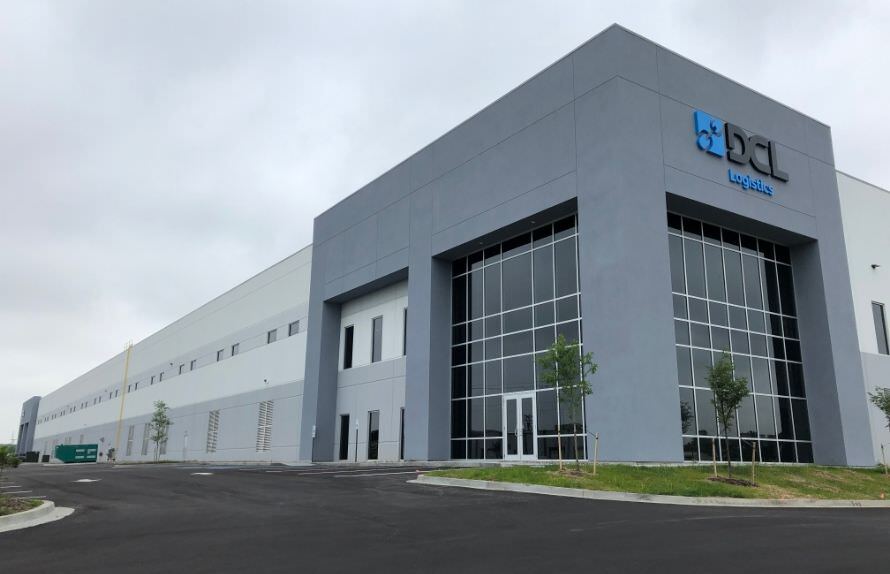
DCL Logistics operates seven US facilities, including locations in Fremont, CA, Ontario, CA, Perris, CA, Louisville, KY (adjacent to UPS Worldport), and York, PA. That footprint reaches 96% or more of the US population with two-day ground shipping. SelectShip, DCL’s carrier optimization engine, routes each outbound shipment to the optimal carrier and service level based on destination zone, package weight, and delivery commitment, generating 10–15% shipping cost savings versus managing carrier relationships independently.
The combination of distributed inventory and carrier optimization at dispatch produces the same cost and transit benefits as traditional zone skipping, without requiring the brand to manage consolidation logistics. eFactory, DCL’s proprietary order management platform, provides real-time visibility into inventory levels, order status, and shipment tracking across all facilities from a single dashboard.
Talk to DCL about reducing shipping costs with distributed fulfillment →
Frequently Asked Questions About Zone Skipping
Zone skipping becomes cost-effective when a shipper sends at least 50 to 100 parcels per day to a concentrated geographic region. Below that threshold, the line haul cost of moving a consolidated shipment to a regional hub typically exceeds the per-package savings from reduced zone rates. Brands shipping 200 or more parcels per day to a single region see the strongest return.
Yes. Zone skipping, regional injection, parcel injection, and carrier injection all describe the same core strategy: consolidating parcels, transporting them in bulk to a hub near the destination, and handing them off to the carrier network for local delivery. Zone skipping emphasizes the zone-rate arbitrage, while regional injection emphasizes the physical handoff point.
UPS, FedEx, and USPS all offer zone skipping or regional injection programs, though the specific program names and requirements vary. UPS SurePost and FedEx SmartPost (now FedEx Ground Economy) are common entry points for parcel injection. USPS also accepts presorted and drop-shipped parcels at destination facilities. A carrier optimization engine that shops rates at dispatch can identify the best injection option for each shipment automatically.
Savings depend on volume, package weight, and the number of zones being skipped. Most shippers report 10 to 30 percent reductions on lanes where three or more zones are bypassed. Per-package savings typically range from $3 to $7 on those lanes, which compounds quickly at scale.
Zone skipping can work for lightweight products, but the savings per package are smaller because the zone cost differential on light parcels is narrower. The strategy delivers the strongest return on heavier packages where zone-based pricing creates a steeper cost curve. For lightweight items, multi-facility inventory distribution often produces better results than consolidation-based zone skipping.