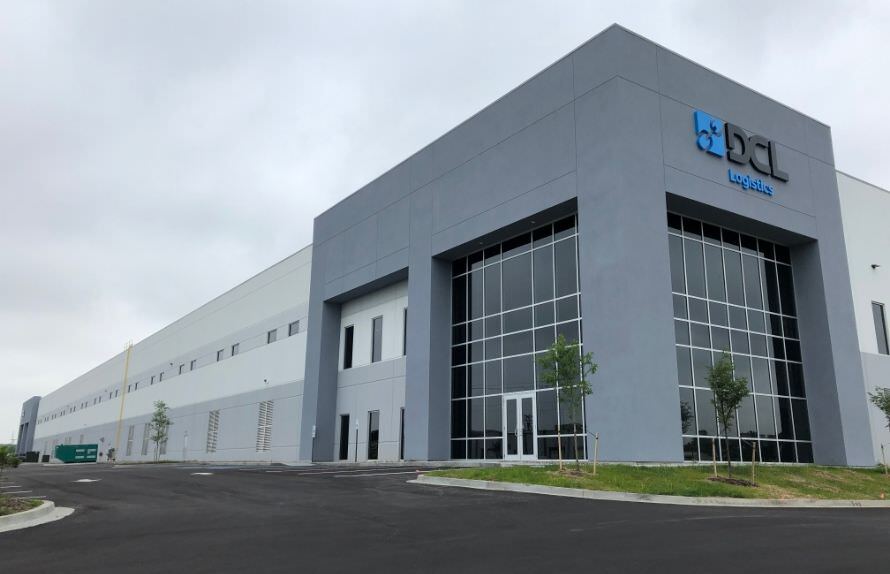


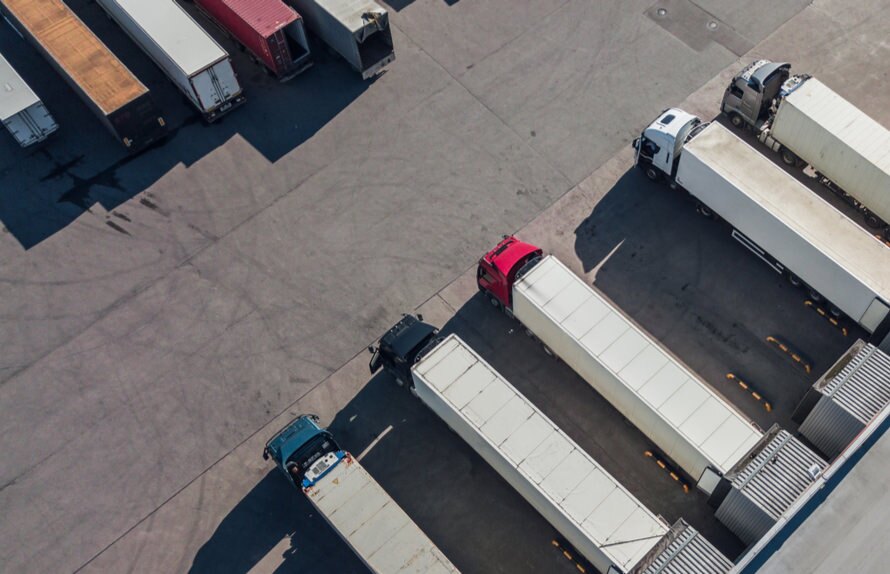

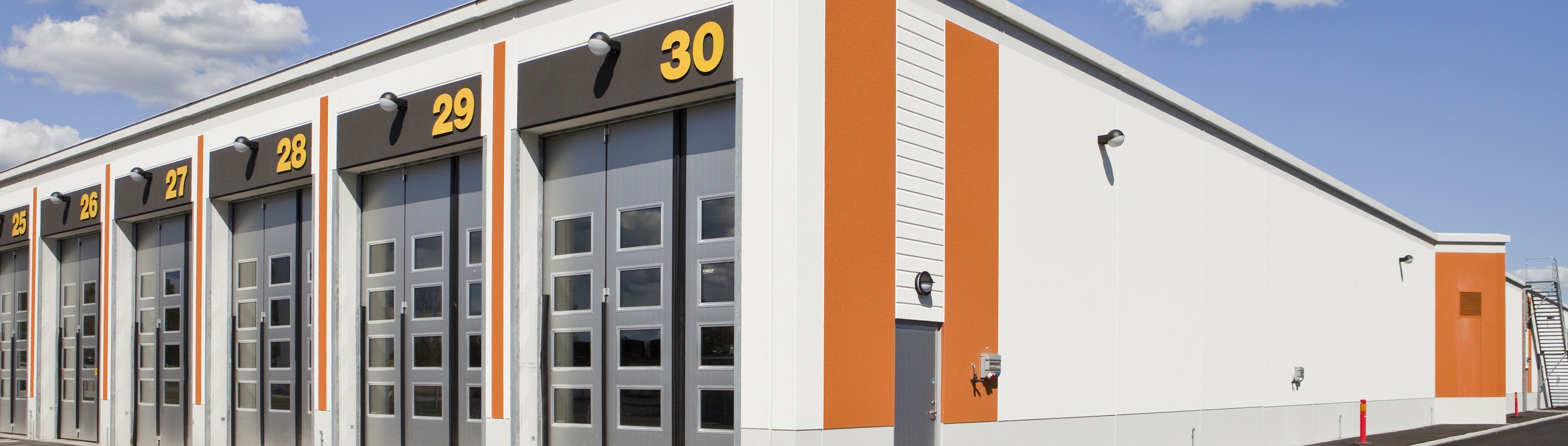
A carrier facility plays a pivotal role in the logistics and shipping industry. When your package has arrived at a carrier facility, it means it has reached a location where shipping companies like Amazon, FedEx, and USPS , as well as regional carriers sort and process packages. These facilities are critical nodes in the supply chain, ensuring that goods move efficiently from the sender to the recipient.
The Role of Carrier Facilities in the Delivery Process
Carrier facilities are specialized hubs where packages are received, sorted, and dispatched to their next destination. They are essential in the delivery process, helping to streamline the flow of packages and reduce delivery times. When a package arrives at a carrier facility, it is scanned and sorted based on its tracking number and delivery address. This process ensures that each package reaches its final destination promptly.
Carrier Facilities and Major Shipping Companies
Major shipping companies such as Amazon, FedEx, and USPS rely heavily on carrier facilities to manage their order fulfillment operations. For Amazon, these facilities are integrated with their vast network of fulfillment centers and distribution centers. An Amazon carrier facility is where packages from different fulfillment centers are consolidated and routed to their next destination. FedEx and USPS use similar facilities to handle the high volume of packages in their networks, ensuring timely and efficient deliveries.

Want Lower Shipping Costs?
We save our customers an average of 18% on shipping costs within the first month.

Carrier Facility Workflow
The workflow within a carrier facility is designed to handle thousands of packages efficiently. Upon arrival, packages are unloaded from delivery trucks and scanned into the system. This scanning process updates the tracking information and tracking status, providing customers with real-time updates. The packages are then sorted based on their next destination and delivery routes. This workflow helps in minimizing supply chain bottlenecks and maintaining a smooth flow of packages through the system.
The Significance of a Carrier Facility in Ecommerce Fulfillment
In the era of ecommerce, ecommerce fulfillment relies heavily on the efficiency of carrier facilities. Online retailers, including ecommerce businesses, depend on these facilities to manage the influx of orders and ensure timely deliveries. When customers place an online order, the order is processed and sent to a fulfillment center. From there, it is shipped to a carrier facility, where it is sorted and dispatched for delivery. This seamless integration of carrier facilities with the ecommerce fulfillment process is crucial for maintaining high levels of customer satisfaction.
Advanced Technologies in Carrier Facilities
Modern carrier facilities leverage advanced technologies such as automation and barcode scanning to enhance efficiency. Automation helps in the rapid sorting and handling of packages, reducing human errors and speeding up the process. Barcode scanning provides accurate and real-time tracking of packages, ensuring that customers receive up-to-date information about their deliveries. These technologies are essential for managing the high volume of packages that pass through carrier facilities daily.
Common FAQs about Carrier Facilities
One common question is, “What happens when a package has ‘arrived at carrier facility’?” When a package arrives at a carrier facility, it undergoes a series of steps including scanning, sorting, and dispatching. The package is prepared for the next leg of its journey, whether to another facility or directly to the recipient’s post office or customer’s doorstep.
Another frequent query is about delivery times. The time a package spends at a carrier facility can vary based on factors such as high volume periods, backlogs, and the efficiency of the facility. However, with advancements in automation and streamlined workflow, most packages move quickly through these facilities.
The Importance of Carrier Facilities in the Supply Chain
Carrier facilities are integral components of the supply chain. They act as intermediaries between distribution centers and final delivery points, ensuring that packages move smoothly and efficiently. By optimizing the workflow within these facilities, shipping companies can minimize delays and enhance the overall delivery experience. This optimization is vital for maintaining the reliability and efficiency of the supply chain.
Enhancing Customer Experience Through Efficient Carrier Facilities
Efficient carrier facilities contribute significantly to a positive customer experience. By providing accurate tracking information and ensuring timely deliveries, these facilities help build trust and satisfaction among customers. When customers see that their package has “arrived at carrier facility,” they can be assured that it is being processed and will soon be on its way to the next destination.
The Future of Carrier Facilities in Ecommerce
As ecommerce continues to grow, the role of carrier facilities will become even more critical. The increasing volume of online orders will require these facilities to adopt more advanced technologies and processes to handle the demand. Innovations in automation, real-time tracking, and efficient workflow management will be essential for carrier facilities to keep pace with the evolving needs of the ecommerce fulfillment landscape.
FAQ: What is a Carrier Facility?
Q: What is a carrier facility and what happens there?
A: A carrier facility is a sorting and processing hub operated by shipping companies like FedEx, UPS, USPS, or Amazon where packages are received, scanned, sorted by destination, and dispatched for the next leg of their journey. When you see a tracking update that says “arrived at carrier facility,” it means your package has been scanned into the system and is being routed — either to another facility closer to its destination or directly out for final delivery.
Q: What is the difference between a carrier facility and a fulfillment center?
A: A fulfillment center is where a seller’s inventory is stored and orders are picked, packed, and prepared for shipment — it’s the origin point of a package’s journey. A carrier facility is a downstream logistics hub operated by the shipping carrier, not the seller, where packages from many different shippers are consolidated, sorted, and routed toward their final destinations. A package typically moves from a fulfillment center to one or more carrier facilities before reaching the customer.
Q: Why does a package sometimes sit at a carrier facility for an extended period?
A: Delays at carrier facilities are most commonly caused by high volume periods (peak holiday season, promotional events), weather disruptions affecting transportation routes, backlogs from staffing or equipment issues, or the package needing to transfer to another facility before final delivery. Most packages move through carrier facilities quickly, but during peak periods even well-automated facilities can experience temporary slowdowns. Real-time tracking updates will reflect each scan as the package moves through the network.
Q: How do carrier facilities use technology to sort packages?
A: Modern carrier facilities rely on automated conveyor systems, barcode scanners, and RFID technology to process thousands of packages per hour. When a package arrives, it’s scanned and its tracking number and delivery address are read automatically, routing it to the correct sorting lane for its next destination. Automated sortation systems can process packages with accuracy rates exceeding 99.9%, dramatically reducing the manual handling and human error that caused delays in older facilities.
Q: How do carrier facilities affect ecommerce delivery times?
A: Carrier facilities are the critical nodes that determine how quickly a package moves through the shipping network after it leaves the fulfillment center. The number of facilities a package passes through — and how efficiently each one processes it — directly impacts transit time. This is why distributed inventory strategy matters: when a seller stores inventory closer to their customers across multiple fulfillment centers, packages enter the carrier network closer to their destination, reducing the number of facility handoffs and cutting transit time and cost.
How DCL Minimizes Your Dependence on Carrier Facilities
Every time a package passes through an additional carrier facility, it adds time and risk to the delivery. DCL’s distributed fulfillment network — across the Bay Area, Los Angeles, Kentucky, and the East Coast — is specifically designed to reduce the number of carrier facility handoffs your packages go through. By storing inventory closer to your customers, orders enter the carrier network closer to their final destination, reducing transit hops and cutting delivery time. DCL’s SelectShip engine also routes each order to the carrier best suited for that specific destination, including regional carriers that often deliver faster in their zones with fewer intermediate stops than the major national networks. See how DCL’s fulfillment network reduces transit times →
Bottom Line
A carrier facility is a vital component of the supply chain that ensures the efficient handling and movement of packages from senders to recipients. By integrating advanced technologies and optimizing workflow, these facilities play a crucial role in reducing delivery times and enhancing customer satisfaction.
Major shipping companies like Amazon, FedEx, and USPS rely on the efficiency of carrier facilities to manage their vast networks and fulfill customer orders promptly. As ecommerce continues to expand, the importance of carrier facilities will only increase, making them a cornerstone of modern logistics and order fulfillment.
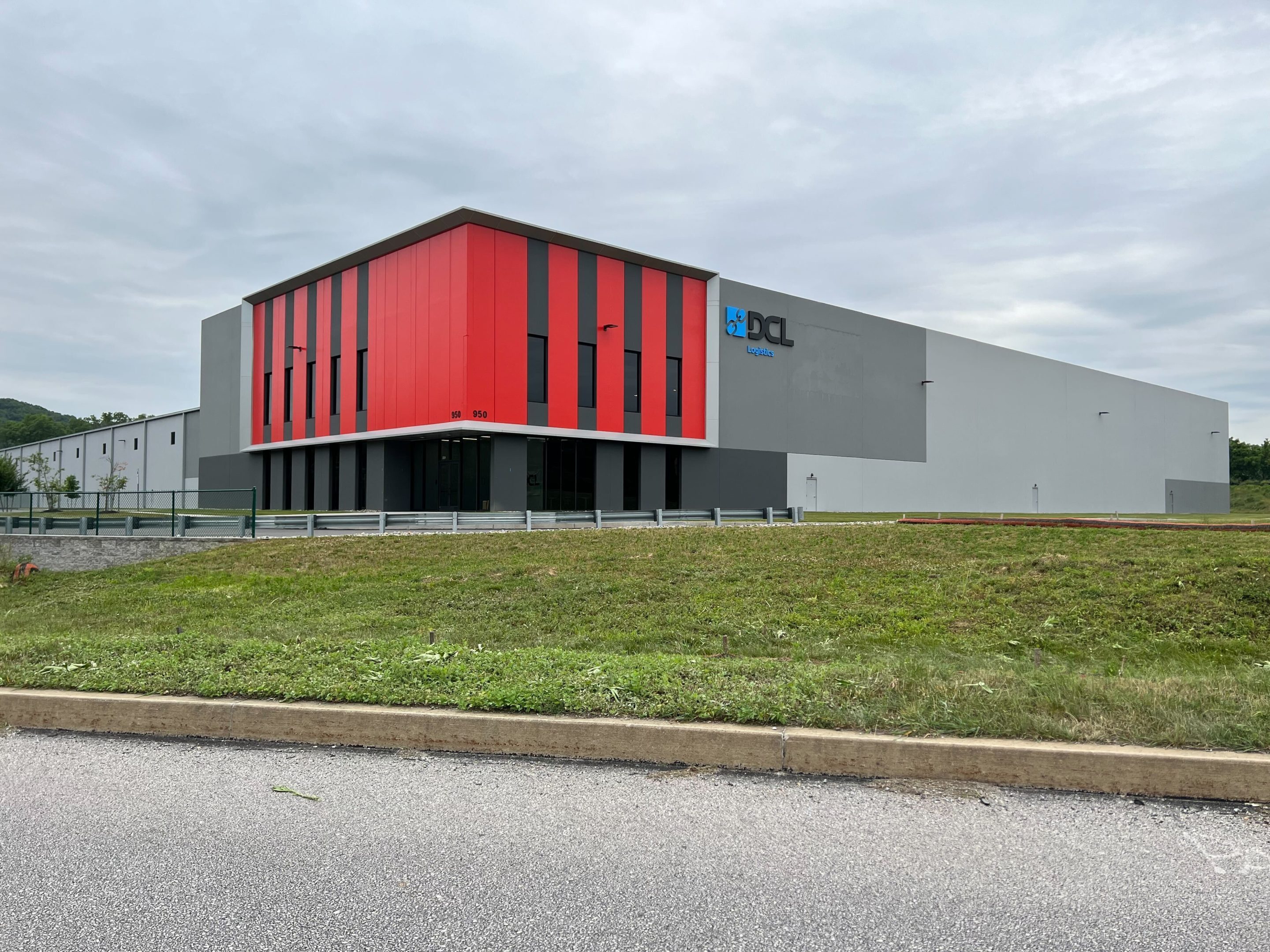
If you’re looking for a 3PL with fulfillment centers in cities across the US, we own and operate facilities in The Bay Area, Los Angeles, Kentucky, and the East Coast.
Be sure to review the list of services we offer, including ecommerce fulfillment, retail fulfillment, Amazon fulfillment, reverse logistics, transportation management, and kitting & assembly.
Looking for a Fulfillment Solution?
We love supporting trendsetting brands. Ask us about our customized fulfillment solutions, dedicated account manager support, and best-in-class order management platform.