



Supplement fulfillment requires controls that most general 3PLs do not build for: FDA food facility registration, lot-level traceability, climate monitoring, and retail EDI compliance. This guide ranks the seven providers best equipped to handle those requirements, evaluated against the six criteria that matter specifically for supplement and nutraceutical brands.
Estimated read time: 12 minutes
Who This Guide Is For: Supplement, nutraceutical, and functional health brands evaluating a 3PL that can handle lot-level traceability, expiration-based inventory rotation, FDA-registered storage, and retail compliance without treating ingestible products as a generic SKU category.
DCL Logistics is included in this list and evaluated against the same criteria as every other provider.
Supplement fulfillment fails in different places than general ecommerce fulfillment. A 3PL that runs efficient DTC pick-and-pack can still ship expired product, lose lot traceability during a recall investigation, or lack the climate controls that capsules, powders, and gummies require. This guide evaluates each provider on six criteria specific to this category.
Table of Contents
- What Matters Most When Evaluating a Supplement 3PL
- The 7 Best 3PLs for Supplement Brands in 2026
- DCL Logistics
- ShipCalm
- ShipBob
- ShipMonk
- Red Stag Fulfillment
- Buske Logistics
- SHIPHYPE
- What to Ask Before You Sign
- Why DCL Is Built for Supplement and Nutraceutical Fulfillment
- Frequently Asked Questions
What Matters Most When Evaluating a Supplement 3PL
- FDA food facility registration: A warehouse that stores ingestible products generally must maintain the applicable FDA registration. Registration identifies the facility to regulators, but it does not represent FDA approval or prove that the operator follows suitable handling procedures.
- Lot, batch, and expiration tracking.: The 3PL should record lot numbers at receiving and preserve them through picking and shipping. FIFO moves older inventory first, while FEFO prioritizes the earliest expiration date. LIFO prioritizes the most recently received inventory and can leave older supplements in storage until they expire.
- Temperature and humidity control: Heat and moisture degrade capsules, powders, gummies, and packaging. Ask for documented operating ranges, monitoring frequency, alert procedures, and records for the specific facility that will hold your inventory.
- Retail EDI compliance: Retailers such as Kroger, Costco, Walmart, Target, and Rite Aid set their own requirements for electronic purchase orders, advance shipping notices, labels, and invoices. A capable 3PL should support each retailer’s current specifications and manage routing-guide changes without manual reentry.
- Kitting and virtual bundling: Subscription boxes and sample programs often combine products without creating permanent physical kits. Virtual bundling lets warehouse software track component inventory separately, which reduces preassembly labor and makes bundle changes easier.
- ISO 9001:2015 certification: Certification indicates that the operations within the certificate’s scope follow a documented quality management system. It does not replace FDA registration or product-specific controls, but it provides independent evidence that the 3PL manages quality consistently.
The 7 Best 3PLs for Supplement Brands in 2026
The ranking gives the most weight to publicly documented regulatory registrations, quality certifications, lot and expiration controls, climate monitoring, and retail EDI capabilities. Network reach, kitting, and published pricing serve as secondary factors. Because capabilities can vary by warehouse, verify every requirement for the facility that will hold your inventory.
| Provider | Best For | Key Differentiator |
|---|---|---|
| 1. DCL Logistics | Compliance-focused brands | ISO 9001:2015 certification and lot-level traceability across all US facilities |
| 2. ShipCalm | Retail EDI | SPS Commerce connectivity and ASN support |
| 3. ShipBob | Network scale | FEFO picking across a large multi-node network |
| 4. ShipMonk | Mid-size brands | Reported BRCGS-certified facilities |
| 5. Red Stag Fulfillment | High-value catalogs | Accuracy guarantees with financial backing |
| 6. Buske Logistics | Enterprise CPG | 43 warehouses across North America |
| 7. SHIPHYPE | General ecommerce | Subscription and FBA prep support |
1. DCL Logistics
Best for: Growing supplement and nutraceutical brands that need certified facilities, detailed traceability, climate control, and omnichannel fulfillment from one inventory pool.
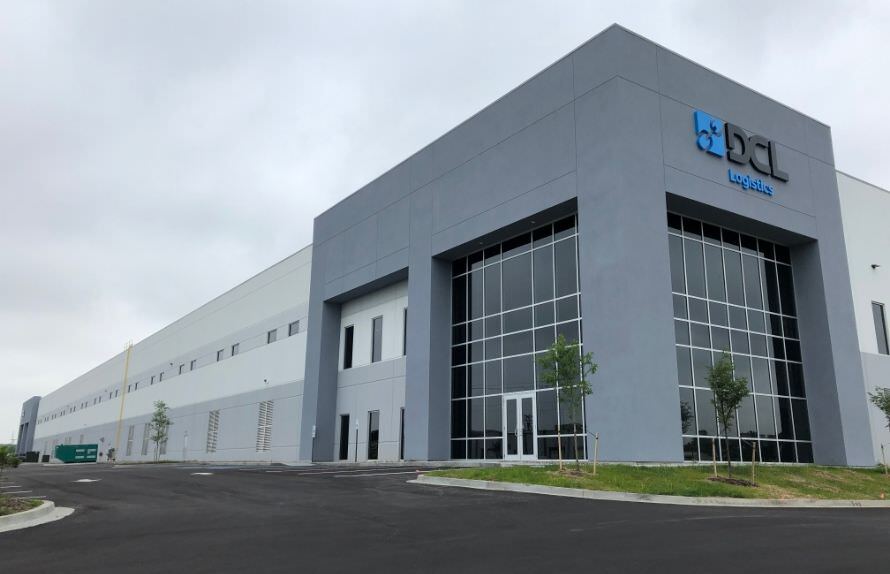
DCL Logistics ranks first in supplement fulfillment because it combines documented quality controls, lot-level traceability, climate monitoring, retail EDI, and kitting under one operation. DCL operates FDA-registered facilities for supplement fulfillment and maintains ISO 9001:2015 certification for the operations covered by its certificate.
DCL monitors temperature and humidity for sensitive inventory. Real-time lot control preserves lot information as inventory moves through receiving and fulfillment. Serialized scan capture provides unit-level records when products use unique serial identifiers.
That level of traceability is not a bonus feature for supplement brands. It is the baseline for responding to a recall investigation without scrambling.
DCL supports EDI integrations with major retailers and virtual bundling for subscriptions, sample packs, and promotional kits. eFactory, DCL’s proprietary platform combining OMS, TMS, EDI, and client portal, gives brands current inventory, order, and lot visibility across DTC and retail channels. SelectShip, DCL’s carrier optimization engine, trims 10–15% off shipping costs versus independent carrier management.
One limitation: DCL does not publish a universal entry price because program requirements vary. Very low-volume brands should request a quote and confirm that DCL’s service model fits their order profile.
2. ShipCalm
Best for: Omnichannel supplement brands that need DTC fulfillment and big-box retail distribution from the same provider.
ShipCalm ranks second because its documented SPS Commerce connectivity supports retail EDI workflows for Walmart and Target. Accurate advance shipping notices help brands follow retailer routing guides and reduce preventable chargebacks.
A 2026 3PL Insider comparison lists ShipCalm’s DTC fulfillment price at about $2.45 per order, the lowest quoted per-order figure among providers in that comparison. The stated $6,000 quarterly minimum makes the effective entry cost higher than the per-order figure alone suggests.
One limitation: ShipCalm does not publish its FDA food facility registration, certifications, or lot and expiration tracking procedures. It also does not publish temperature and humidity control specifications. That is not necessarily a disqualifier, but it means you are signing before you can independently verify the controls this ranking weighs most heavily.
3. ShipBob
Best for: Growing brands that need national or international fulfillment capacity with automated inventory rotation.
ShipBob suits supplement brands that prioritize broad distribution reach and FEFO picking, which prioritizes inventory with the earliest expiration date. ShipBob connects with Shopify, Amazon, and WooCommerce for multi-channel order management.
An InventoryReady review reports that ShipBob has more than 60 facilities and has fulfilled over 1 billion units. Those figures indicate network scale but do not establish supplement-specific compliance at every location. ShipBob reports GFSI-recognized and GMP credentials, though the cited review did not independently verify those claims.
One limitation: Temperature-controlled storage operates at only a subset of ShipBob facilities. Confirm each proposed facility’s certifications, FDA registration, and climate controls before assigning inventory. A facility that works for general DTC fulfillment may not meet the storage requirements for a capsule or gummy product line.
4. ShipMonk
Best for: Mid-size brands that sell subscriptions, sample kits, or recurring bundles and want inventory and order management in one platform.
ShipMonk reports BRCGS Storage and Distribution certification at six U.S. facilities. Its recurring-order and kitting capabilities support subscription programs, and ShipMonk also reports support for lot tracking, expiration management, and FIFO inventory handling for regulated health products.
One limitation: An InventoryReady review could not verify ShipMonk’s FIFO execution and classified its FDA registration and BRCGS certification as self-reported. Temperature-controlled storage operates only in New Jersey, Nevada, and Texas, so inventory placement may restrict shipping options. Request facility-specific documents and test the lot allocation rules before signing.
5. Red Stag Fulfillment
Best for: Brands built around one hero supplement or a small number of expensive SKUs where a mispick carries real financial consequence.
Red Stag Fulfillment advertises financial compensation for qualifying failures to meet its accuracy, shrinkage, and on-time shipping commitments. That accountability structure matters for high-value supplement products where a wrong shipment costs more to replace than a typical DTC parcel. Red Stag also reports LTL distribution support for Walmart, Target, and Costco, along with in-house kitting for multipacks, subscription boxes, and compliance labeling.
One limitation: The public materials reviewed for this comparison did not document Red Stag’s FDA food facility registration, FEFO rules, or temperature and humidity controls for supplement inventory. A guarantee that covers mispicks does not address whether the product was stored correctly before it shipped.
6. Buske Logistics
Best for: Established CPG shippers that need dedicated distribution capacity and customized warehouse operations across a large North American network.
Buske Logistics reports 43 warehouses across the United States and Canada, which makes it a potential fit for companies seeking dedicated regional capacity. Its listed services include food-grade warehousing, inventory management, kitting, repackaging, and retail-compliant workflows.
One limitation: The public materials reviewed for this comparison did not document Buske’s FDA food facility registration, ISO 9001:2015 certification, lot and expiration controls, or temperature and humidity monitoring. Network size alone does not tell you whether a specific facility handles ingestible products to the standard your brand requires.
7. SHIPHYPE
Best for: Ecommerce brands that need general DTC fulfillment, Amazon preparation, or recurring subscription box assembly.
SHIPHYPE focuses on modern ecommerce fulfillment, including FBA prep, Shopify fulfillment, and subscription box programs. SHIPHYPE ranks seventh because the public materials reviewed for this comparison do not document the supplement-specific controls weighted most heavily in the methodology.
One limitation: The public materials reviewed did not verify SHIPHYPE’s FDA food facility registration, lot and expiration tracking, temperature or humidity controls, retail EDI capabilities, or ISO 9001:2015 certification. That gap is not an accusation. It means SHIPHYPE has not made the case publicly, and you will need to request written documentation before considering the provider for supplement inventory.
What to Ask Before You Sign
Run every shortlisted provider through these questions regardless of where they land on this list.
- Can you provide the FDA food facility registration number for every warehouse that may store or ship our products?
- Which inventory rotation rule does each warehouse use for our products, and how does the warehouse enforce it?
- Can you provide records showing where lot, batch, and expiration data are captured during receiving, storage, picking, and shipping?
- What temperature and humidity ranges do you maintain, and how do you record excursions, issue alerts, and protect affected inventory?
- Which retail EDI networks and trading partners do you support? How do you manage advance shipping notices, label requirements, and chargebacks?
- Can you provide a current ISO 9001:2015 certificate, its facility scope, and the latest audit date?
A provider that answers all six with specific numbers and documentation is operating at the standard supplement fulfillment requires. A provider that answers in generalities is telling you supplements are not where they specialize.
That gap often shows up later as a failed lot trace during an investigation or expired product sitting in a customer’s mailbox. Pair these questions with the 3PL vetting questionnaire for a complete evaluation.
Why DCL Is Built for Supplement and Nutraceutical Fulfillment
DCL Logistics handles supplement and nutraceutical fulfillment from FDA-registered, ISO 9001:2015-certified facilities with real-time lot control, climate monitoring, and retail EDI built into operations rather than bolted on as add-ons. That combination is not assembled from generic warehouse services. It reflects decades of operating in categories where a failed lot trace during an investigation or an expired unit in a customer’s mailbox creates regulatory, financial, and brand risk simultaneously.
eFactory, DCL’s proprietary platform combining OMS, TMS, EDI, and client portal, gives supplement brands real-time inventory, order, lot, and expiration visibility across DTC and retail channels from one screen. SelectShip, DCL’s carrier optimization engine, selects carrier services at dispatch based on origin, weight, and channel service requirements, trimming 10–15% off shipping costs versus independent carrier management.
Dedicated value-added services teams handle kitting and virtual bundling separately from general fulfillment labor, which preserves lot-level traceability when subscription, sample, or promotional kits change configurations. That separation matters because pulling general warehouse staff for assembly work is where lot data breaks down at most 3PLs.
DCL’s facility network covers the continental United States from locations in Fremont CA, Southern California, Louisville KY (adjacent to UPS Worldport), and York PA. Order accuracy holds above 99.8% and on-time shipping above 98.5%, benchmarks that matter for supplement brands where a wrong shipment means replacing a product that may require specific storage and handling to reship.
Talk to DCL about supplement fulfillment →
Frequently Asked Questions
What does FDA food facility registration mean for a 3PL?
FDA food facility registration identifies a warehouse that stores or handles ingestible products under FDA requirements. A valid registration confirms that the facility falls within FDA oversight, but it does not represent FDA approval or prove that the operator follows suitable handling procedures. DCL Logistics operates FDA-registered facilities for supplement fulfillment.
How do FIFO, FEFO, and LIFO differ for supplement inventory?
FIFO ships the oldest received inventory first, FEFO ships the earliest-expiring inventory first, and LIFO ships the newest inventory first. FEFO usually provides the strongest expiration protection for supplements because it prioritizes shelf life over receipt date. DCL Logistics uses real-time lot control to preserve lot data and supports serialized scan capture when products require unit-level records.
Why does ISO 9001:2015 matter for supplement fulfillment?
ISO 9001:2015 certification indicates that the operations within a certificate’s scope follow a documented quality management system with controlled procedures and corrective actions. Certification does not replace FDA registration or product-specific controls, but it provides independent evidence that the 3PL manages quality consistently.
What does retail EDI compliance require for supplement brands?
Retail EDI exchanges purchase orders, shipping notices, invoices, and inventory data in each retailer’s required format. Retailers such as Kroger, Costco, Walmart, Target, and Rite Aid each set their own specifications. Accurate exchanges reduce chargebacks and rejected deliveries.
How does kitting support subscription and sample programs for supplements?
Kitting combines individual products into a defined package or recurring order. Virtual bundling lets warehouse software track component inventory separately, which reduces preassembly labor and makes bundle changes easier. DCL supports both physical kitting and virtual bundling while preserving lot-level traceability across components.