


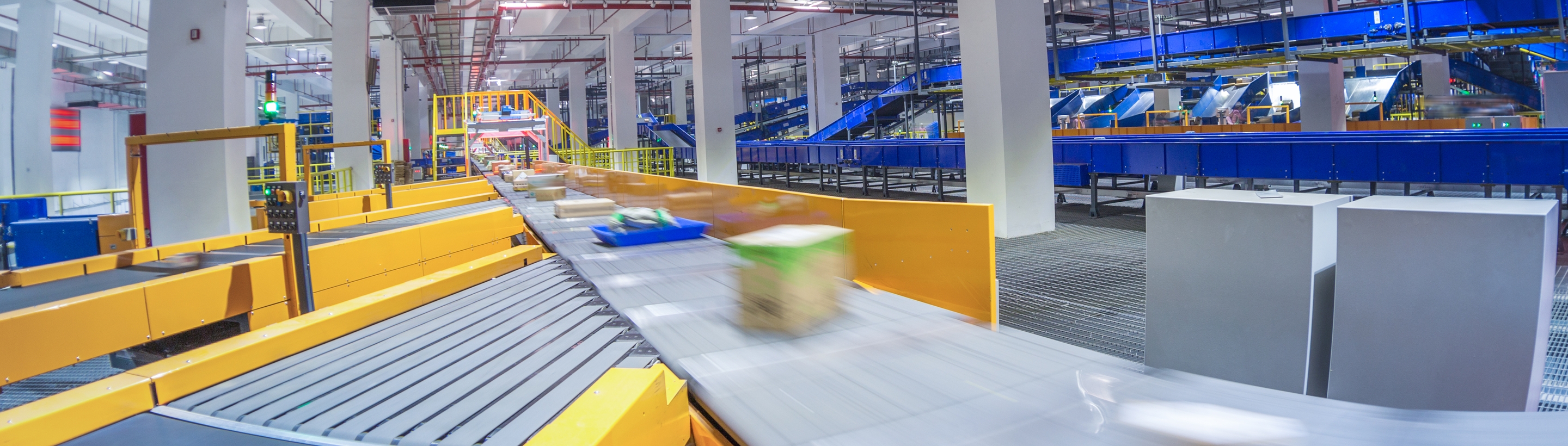
Ecommerce warehouses are under pressure to meet customers’ expectations of faster delivery, perfect accuracy, and low shipping costs. To stay competitive, fulfillment operations need high-performance automation and well-designed workflows that ensure their warehouse is outfitted for speed, accuracy, and scalability.
Automation is a great tool to employ, but there are many different systems to consider; the key is how it supports, not replaces, the essential manual labor required to pick, pack, and ship orders. The most successful warehouses strike a balance between people and technology. One of the strongest tools for enabling this balance is the goods-to-person (G2P) system.
G2P systems automate the movement of inventory to warehouse operators, reducing unnecessary travel and physical strain while improving productivity and accuracy. When implemented correctly, they can transform fulfillment operations and create a more resilient, future-ready warehouse.

Want Faster Delivery?
Learn how Therabody maintained same-day fulfillment on 100% of their orders during their biggest holiday rush.

What Is a Goods-to-Person (G2P) System?
A goods-to-person system is a fulfillment model in which inventory is automatically transported to stationary operators rather than requiring workers to walk the warehouse to retrieve items. This transport is typically handled by autonomous mobile robots (AMRs), automated storage and retrieval systems (AS/RS), shuttles, conveyors, or a combination of technologies.
Unlike traditional pick paths, G2P systems are dynamic. Inventory locations can change based on demand, robots can be re-routed in real time, and workstations can be flexibly configured. The result is a highly efficient use of space, faster order fulfillment, and a significantly improved work environment for operators.
G2P systems are especially well-suited to ecommerce operations with a wide SKU assortment, fluctuating demand, and high expectations for accuracy and speed.
Benefits of Goods-to-Person Systems
Implementing a G2P system delivers a wide range of operational and workforce benefits for ecommerce operators.
Increased operational uptime. Many G2P systems support longer working hours. Robots don’t need breaks, and replenishment or inventory movement can occur outside of peak picking hours, increasing overall throughput.
Reduced order errors. By presenting the right item at the right workstation—often paired with pick-to-light, barcode scanning, or vision systems—G2P dramatically reduces mispicks and costly returns.
Ergonomic operator workstations. Operators work at fixed stations designed for optimal reach zones and minimal lifting. This reduces fatigue, lowers injury risk, and helps retain labor in a challenging hiring environment.
Optimized space utilization. G2P systems enable high-density, consolidated storage, making better use of vertical space, and allowing warehouses to operate within a smaller footprint or delay facility expansion.
Real-time visibility. Warehouse managers can monitor orders, robots, inventory, and performance metrics in real time, enabling faster decision-making and proactive issue resolution.
Seamless software integration. Modern G2P solutions integrate with warehouse management systems (WMS), warehouse execution systems (WES), and order management systems to orchestrate workflows end to end.
Scalable capacity. As order volume grows, capacity can often be increased by adding robots, modules, or workstations with little to no downtime. G2P is ideal for fast-growing ecommerce brands.
Key Considerations Before Implementing G2P
While the benefits are compelling, G2P systems are not plug-and-play. Ecommerce operators should carefully evaluate several factors before investing.
Upfront cost and ROI. G2P systems require significant capital investment. Operators must assess whether labor savings, throughput gains, and error reduction will deliver a clear return over time.
Current and future throughput. Understanding today’s order volume is important—but projecting future demand is critical. G2P systems should be designed to support peak and projected growth, not just current needs.
Facility space and layout. Ceiling height, column spacing, floor plan, and dock access all influence system design. Some facilities may require reconfiguration to fully leverage G2P benefits.
Building readiness. Automation places specific demands on buildings. Floor flatness, slab thickness, and overall structural condition may need an upgrade before hardware installation.
System integration. G2P technology must integrate smoothly with existing automation, software platforms, and operational processes to avoid bottlenecks.
Business growth strategy. Consider long-term objectives such as SKU expansion, new sales channels, or geographic growth. The right G2P system should support (not limit) future flexibility.
Where Goods-to-Person Systems Add the Most Value
Order management in ecommerce is notoriously unpredictable. Forecasts help, but actual demand often deviates, sometimes dramatically. G2P systems shine in specific use cases where adaptability and speed matter most.
They are especially valuable in:
- High-volume, high-output fulfillment centers
- Operations handling lighter-weight, non-bulky items
- Warehouses with large SKU counts and frequent order mixing
- Businesses experiencing sharp peaks and unexpected demand spikes
- Brands with strong promotional cycles or seasonal volatility
- Third-party logistics providers supporting multiple ecommerce clients
G2P systems are less suited for very large, heavy, or fragile items that require specialized handling, but for most standard ecommerce goods, they provide a powerful competitive advantage.
The Bottom Line
Goods-to-person systems are not a silver bullet, but when implemented for the right ecommerce operation, they can dramatically improve efficiency, accuracy, and scalability. By reducing travel time, improving ergonomics, and enabling real-time control, G2P systems help warehouses do more with less while preparing for future growth.
For ecommerce operators facing rising labor costs, unpredictable demand, and increasing customer expectations, investing in the right goods-to-person strategy can be a decisive step toward long-term operational resilience.
If you are seeking logistics support we’d love to hear from you. You can read DCL’s list of services to learn more, or check out the many companies we work with to ensure great logistics support. Send us a note to connect about how we can help your company grow.

Need a Reliable 3PL?
We’ve been in business for over 40 years. Let us know how we can help your company grow.

This post was written by Maureen Walsh, Marketing Director at DCL Logistics. A writer and blogging specialist for 20 years, she helps create quality resources for ecommerce brands looking to optimize their business.
Tags: Warehouse Management