


As high-growth brands scale, the margin for error shrinks, making the transition from manual processes to expert warehouse technology essential. By partnering with modern ecommerce warehouses that utilize advanced tools like automated dimensioners, brands can ensure that every square inch of storage and every cent of shipping spend is fully optimized.
What is Packaging Dimensioning?
Many ecommerce warehouses use an automated packaging dimensioning tool to weigh and measure each package before it gets shipped.
Known as a dimensioner, or dimensioning system, these tools often use scanning technology and weight measuring to accurately capture the exact size, weight, and volume of each package. As part of the fulfillment process, this is important for inventory accuracy and to meet carrier requirements.

Is your 3PL not meeting SLAs?
Our dedicated account managers can help optimize your inventory management and track delivery performance, so you can work on growing your business.

Primary Functions of Dimensioning Tools
A dimensioner captures the final attributes of a package once it has been packed and sealed. This step is often before or simultaneous with labeling for shipping carrier.
What does a dimensioner track?
- Size: First it checks the length, width, and height of a package using lasers, infrared, or 3D cameras.
- Weight: Most systems include an integrated scale to capture weight simultaneously.
- Volume: Once it has the size and weight, it will calculate the volume. This is key for calculating Dimensional Weight (DIM), which carriers use to determine shipping costs based on volume rather than actual weight.
The ultimate benefit of a dimensioning tool is twofold: getting an accurate DIM weight for accurate shipping labels and syncing all packaging data to a WMS or shipping software to eliminate manual entry errors.
Types of Package Dimensioners
As automated processes continue to rise in ecommerce warehouses, there are now a few options for package dimensioning systems. The two most common are static dimensioners and dynamic dimensioners.
Static dimensioners are stationary devices where an operator places a package on a platform. These are typically used at packing stations or for recording master data (SKU dimensions) for a Warehouse Management System (WMS).
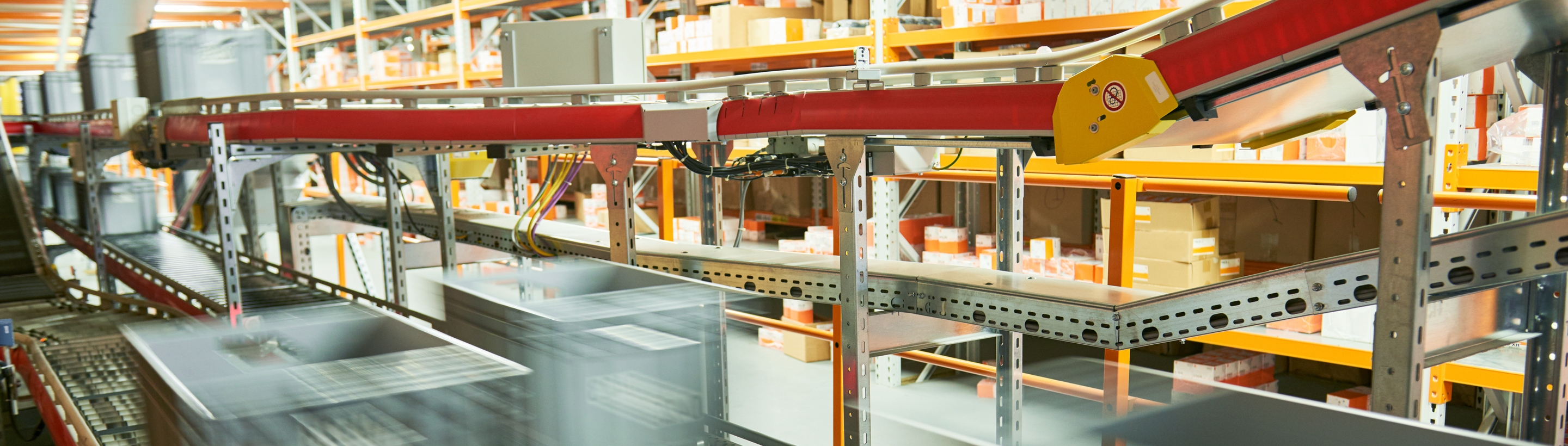
Dynamic dimensioners are usually in-motion systems that incorporate conveyor lines to measure and weigh packages as they move through the fulfillment process. These are common in high-volume fulfillment centers and situated before the outbound shipping sortation center.
Benefits of Using a Package Dimensioning Tool
A high-growth brand or high-volume fulfillment center will want to automate any routine tasks possible. This improves accuracy, throughput, and eliminates human error. There are many benefits to using a dimensioning system.
1. Inventory Optimization
Dimensioners capture the “master data” of a package: exact length, width, and height of every parcel going out. With more accurate master data your warehouse will have improved storage density (how many packages can be stored in an area).
Accurate master data also improves slotting efficiency, ensuring all packages are placed in the correct sortation area, whether a small bin or bulk pallet rack. By sorting based on its volume this naturally reduces dead space on shelves.
2. Shipping Label Accuracy and Cost Control
Yes, a dimensioner can have a direct financial benefit.
As mentioned above, most major shipping carriers rely on a DIM weight calculation to charge shipping fees. This means they charge based volumetric weight, the space a package occupies, rather than just actual weight or size alone. Dimensioners ensure the weight on the label matches the package exactly, so when a carrier audits the package, they’ll get an exact match each time, preventing any delays, chargebacks, errors, or added fees.
The dimensioning system will tell a packer exactly which box size to use for an order. By getting the exact right packaging every time, you’ll save on additional DIM weight (lower shipping costs), any added packing materials like filler or dunnage, and your items will be properly secured (lower damage fees).
3. Error Rates and Labor Efficiency
Any automation should make your warehouse more efficient and add less work. The biggest benefit to a dimensioner is reducing manual error when sizing and weighing packages. It will reduce the time it takes to measure and enter dimensions takes (manually can take 30 seconds to a minute per item) but when automated it’s done in a few seconds or less. Coupling that speed with 99%+ accuracy makes automation an obvious choice for growing brands.
With higher levels of accuracy, you’ll have improved quality control as well. Some systems compare the measured weight of a packed box against the expected weight of the items inside. If there is a discrepancy and the weight is off, it flags a potential “mis-pack” before it leaves the warehouse.
4. Tracking and Dispute Resolution
Having all dimensioned packages recorded in your WMS will allow your team to better track and monitor what goes out. You’ll also have a digital audit trail to reference when needed. Some modern dimensioners capture a photo of the package as it is measured, improving the data.
If there are damage claims or issues down the line, whether from a customer or carrier, you can use the timestamped photo and certified dimensions to prove the condition and size of the parcel as it moved through your fulfillment center.
Bottom Line
Automated dimensioning removes the manual bottlenecks that often throttle growth, allowing your brand to maintain 99.9% shipping accuracy even as order volumes double or triple. By providing precise, real-time data, these tools protect your profit margins from carrier surcharges and ensure your warehouse scales as fast as your sales.
This post was written by Maureen Walsh, Marketing Director at DCL Logistics. A writer and blogging specialist for 20 years, she helps create quality resources for ecommerce brands looking to optimize their business.

Need a Reliable 3PL?
We’ve been in business for over 40 years. Let us know how we can help your company grow.

Tags: Warehouse Management