


Table of Contents
- The Rise of AI-Powered Fulfillment Operations
- Hyperlocal Fulfillment Networks
- Personalization Through Data Integration
- Omnichannel Integration and Flexible Returns
- Social Commerce and Rapid Fulfillment
- Autonomous Systems and Robotics
- Subscription Model Optimization
- Blockchain for Supply Chain Transparency
- Cross-Border Ecommerce Expansion
- Enhanced Last Mile Delivery Options
- Real-Time Visibility and Communication
- Flexible Warehousing Solutions
- Sustainability as a Competitive Differentiator
- FAQ
The ecommerce trends that are coming in 2026 are reshaping how third-party logistics providers operate and deliver value to their retail partners. As online shopping continues its rapid evolution, 3PL companies find themselves managing increasingly complex supply chains while meeting consumer demands for faster delivery and greater transparency. The logistics industry must adapt to technological advances and shifting customer expectations that define modern ecommerce.
The Rise of AI-Powered Fulfillment Operations
Artificial intelligence has moved beyond experimental phases to become an essential component of warehouse management and order fulfillment. Third-party logistics providers now deploy AI systems that predict inventory needs with remarkable accuracy, reducing both stockouts and overstock situations that plague traditional warehousing models. These intelligent systems analyze historical sales data, seasonal patterns, and external factors like weather or local events to forecast demand weeks in advance.
Machine learning algorithms optimize picking routes within warehouses, cutting down the time workers spend locating products. Some 3PL facilities have reduced order processing times by nearly 40 percent through AI-guided workflows that account for product dimensions, weight, and destination to create the most efficient packing and shipping sequences. The technology learns from each transaction, continuously improving its recommendations and adapting to changes in inventory layout or product mix.
Voice-assisted picking systems represent another AI application gaining traction in fulfillment centers. Workers wear headsets that provide turn-by-turn directions to product locations, allowing them to keep their hands free and eyes focused on their tasks. This approach has decreased picking errors significantly while improving worker safety and productivity. The systems can switch between multiple languages seamlessly, making it easier for diverse warehouse teams to work efficiently.
Hyperlocal Fulfillment Networks
The traditional hub-and-spoke distribution model gives way to decentralized fulfillment networks that position inventory closer to end consumers. Third-party logistics providers establish micro-fulfillment centers in urban areas, suburban neighborhoods, and even within existing retail stores. This strategy dramatically shortens delivery times while reducing transportation costs and environmental impact.
These smaller facilities stock the most popular items based on local purchasing patterns, enabling same-day or even two-hour delivery windows that consumers increasingly expect. The approach requires sophisticated inventory allocation systems that balance stock levels across multiple locations while preventing fragmentation that could lead to inefficiencies. Advanced analytics help 3PL providers determine which products to stock at each location based on hyperlocal demand signals.
Dark stores, retail spaces converted entirely to fulfillment operations, have become common in metropolitan areas. These locations look like regular stores from the outside but serve exclusively as picking and packing centers for online orders. The setup allows logistics providers to establish footholds in prime urban real estate without the high costs associated with customer-facing retail operations.
Some 3PL companies partner with retailers to use store backrooms as mini-warehouses, creating a hybrid model that leverages existing real estate. Store employees pick orders during slower periods, generating additional revenue for retailers while expanding fulfillment capacity for ecommerce brands. This collaborative approach benefits all parties while delivering faster service to customers.
Personalization Through Data Integration
Consumers expect shopping experiences tailored to their preferences, purchase history, and browsing behavior. Third-party logistics providers play a crucial role in delivering personalized experiences by integrating their systems with retail platforms to enable customized packaging, product bundling, and specialized handling instructions.
Some 3PL operations now offer services like gift wrapping, personalized notes, or custom packaging designs that reflect individual customer preferences or order occasions. These value-added services help ecommerce brands differentiate themselves without managing the operational complexity internally. The logistics provider becomes an extension of the brand’s customer experience rather than merely a shipping facilitator.
Data sharing between retailers and their 3PL partners enables predictive shipping, where orders are prepared and moved closer to likely destinations before customers complete their purchases. This approach shaves hours or even days off delivery times while requiring careful coordination and highly accurate demand forecasting. The strategy works best for replenishment items or products with predictable seasonal demand.
Subscription box services exemplify how logistics providers support personalized ecommerce models. Third-party logistics companies manage the complex task of assembling customized product selections, maintaining subscriber preferences, and handling recurring shipments on precise schedules. The operational requirements differ substantially from traditional ecommerce fulfillment, requiring specialized capabilities that many 3PL providers now offer.
Omnichannel Integration and Flexible Returns
The line between online and offline retail continues to blur as consumers expect seamless experiences across all shopping channels. Third-party logistics providers facilitate omnichannel fulfillment by managing inventory that can fulfill orders from any channel and coordinating returns regardless of where or how products were purchased.
Buy online, pick up in store (BOPIS) services require tight integration between ecommerce platforms, logistics systems, and retail locations. 3PL providers coordinate the movement of products from warehouses to stores based on customer orders, ensuring items arrive in time for scheduled pickups. The service appeals to consumers who want immediate gratification without waiting for home delivery while avoiding shipping costs.
Returns management has become increasingly sophisticated as ecommerce companies recognize that easy returns drive customer loyalty and repeat purchases. Progressive 3PL providers offer returnless refunds for low-value items where the cost of processing the return exceeds the product value. For items that do come back, efficient reverse logistics systems inspect, categorize, and route products for restocking, refurbishment, or liquidation.
Some logistics providers establish dedicated returns processing centers that specialize in handling merchandise coming back through various channels. These facilities employ staff trained in product inspection and quality assessment, determining whether items can be resold as new, need reconditioning, or should be disposed of responsibly. The speed and accuracy of returns processing directly impacts an ecommerce brand’s ability to recapture value from returned inventory.
Social Commerce and Rapid Fulfillment
Social media platforms have evolved into powerful sales channels where consumers discover and purchase products without leaving their favorite apps. This shift toward social commerce creates unique fulfillment challenges that forward-thinking 3PL providers address through specialized services and rapid response capabilities.
Impulse purchases driven by social media content require fast fulfillment to maintain customer enthusiasm and prevent order cancellations. Third-party logistics companies that support social commerce clients maintain higher inventory turn rates and prioritize quick order processing to capitalize on the spontaneous nature of these purchases. The fulfillment window that worked for traditional ecommerce proves too slow for social-driven sales.
Influencer partnerships and flash sales generate unpredictable order volumes that can overwhelm fulfillment operations. Logistics providers supporting these business models maintain flexible capacity and can scale operations quickly to handle sudden spikes in demand. This flexibility comes at a premium but proves essential for brands whose sales patterns are inherently volatile.
Live shopping events, where hosts demonstrate products in real-time while viewers make purchases, represent the cutting edge of social commerce. These events compress huge order volumes into short time windows, requiring logistics providers to pre-position inventory and staff for rapid processing. Some 3PL companies now offer specialized services for brands participating in live shopping, including real-time inventory visibility and same-day shipping for orders placed during events
Autonomous Systems and Robotics
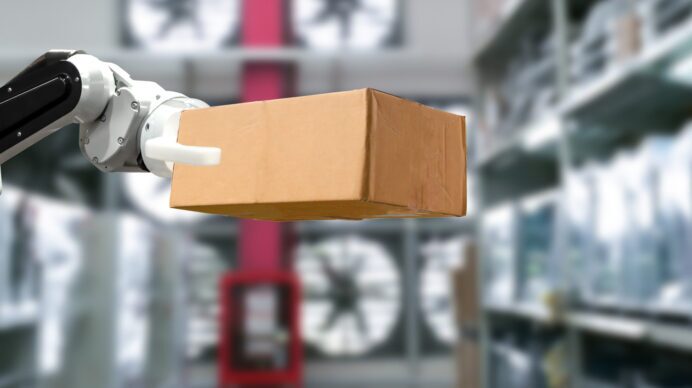
Warehouses increasingly resemble high-tech laboratories where robots and human workers collaborate to process orders efficiently. Third-party logistics providers invest in automation to address labor shortages, improve accuracy, and increase throughput without expanding physical footprints. The technology ranges from simple conveyor systems to sophisticated autonomous mobile robots that navigate warehouse floors independently.
Collaborative robots, or cobots, work alongside human employees to handle repetitive tasks like box folding, label application, or product sorting. Unlike traditional industrial robots that require safety cages and separate work areas, cobots sense human presence and adjust their movements to prevent accidents. This human-robot collaboration combines the strengths of both, with machines handling physically demanding repetitive work while humans manage exceptions and quality control.
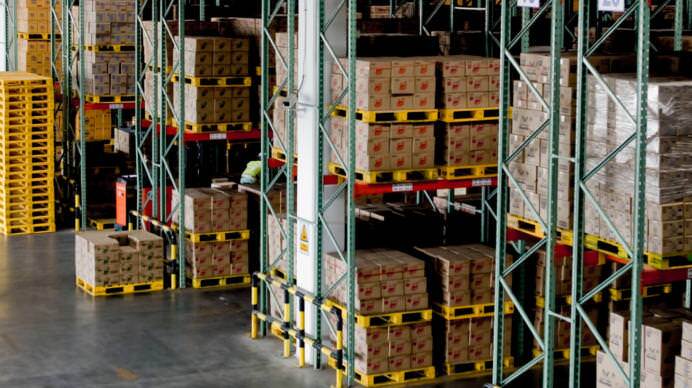
Automated storage and retrieval systems maximize warehouse density by stacking products in tall, narrow aisles accessible only to machines. These systems retrieve items on demand, delivering them to human pickers at ergonomic workstations. The approach dramatically increases storage capacity within existing warehouse space while reducing the time workers spend walking between picking locations.
Robotic sortation systems identify package destinations and route them to appropriate shipping lanes without human intervention. Advanced vision systems read labels, verify addresses, and detect damage or packaging issues that might cause delivery problems. The technology processes thousands of packages per hour with accuracy rates exceeding 99.9 percent, far surpassing manual sortation capabilities.
Subscription Model Optimization
Recurring revenue models require specialized logistics capabilities that differ from one-time purchase fulfillment. Third-party logistics providers supporting subscription ecommerce develop expertise in managing predictable recurring orders, coordinating subscriber preference changes, and maintaining engagement through packaging and product variety.
Subscription services demand precise timing to maintain customer satisfaction. Logistics providers implement scheduling systems that ensure boxes ship on specific dates regardless of order volumes or operational challenges. Missing a shipping window damages subscriber trust and increases cancellation rates, making reliability paramount.
Product curation for subscription boxes requires careful inventory management and assembly processes. Workers or automated systems combine multiple items according to subscriber profiles or seasonal themes, often including personalized touches like handwritten notes or exclusive samples. The complexity exceeds standard fulfillment operations, requiring specialized training and quality control procedures.
Managing subscriber changes, pauses, or cancellations creates operational overhead that efficient 3PL providers minimize through integrated technology platforms. Real-time synchronization between ecommerce platforms and warehouse management systems prevents costly errors like shipping to cancelled subscribers or missing preference updates.
Blockchain for Supply Chain Transparency
Distributed ledger technology provides unprecedented visibility into product journeys from manufacturer to consumer. Third-party logistics providers implement blockchain solutions that record every touchpoint in the supply chain, creating immutable records that verify authenticity, track condition, and prevent counterfeiting.
Luxury goods and pharmaceutical companies particularly value blockchain’s ability to prove product authenticity. Each item receives a unique digital identifier recorded on the blockchain at manufacturing, with subsequent transfers documented as products move through distribution channels. Consumers can verify authenticity by scanning codes or tags, accessing the complete custody history of their purchases.
Temperature-sensitive products like food, cosmetics, or medications benefit from blockchain-enabled monitoring that records environmental conditions throughout transit. Smart sensors detect temperature fluctuations, humidity changes, or impact events, automatically logging this data to the blockchain. If products experience conditions outside acceptable ranges, the system alerts logistics providers and retailers, preventing compromised goods from reaching consumers.
The transparency blockchain provides helps ecommerce brands demonstrate ethical sourcing and sustainable practices. Companies can prove that products were manufactured under fair labor conditions, transported via low-emission methods, or sourced from environmentally responsible suppliers. This verifiable transparency appeals to consumers who want assurance that their purchases align with their values.
Cross-Border Ecommerce Expansion
International sales represent significant growth opportunities for ecommerce brands, but cross-border logistics introduces complexity around customs, duties, and international shipping regulations. Third-party logistics providers with global capabilities help brands expand internationally without building their own overseas infrastructure.
Duties and taxes vary by country and product category, creating confusion for both retailers and consumers. 3PL companies offer landed cost calculation tools that display total costs including duties and taxes at checkout, preventing surprise charges that lead to refused deliveries. The service requires deep knowledge of international trade regulations and harmonized tariff schedules.
Returns from international orders pose particular challenges given shipping costs and customs procedures. Some logistics providers maintain overseas facilities that receive and process returns locally, avoiding the expense and delay of shipping products back to origin countries. This approach improves the returns experience for international customers while reducing costs for ecommerce brands.
Compliance with varying regulations across jurisdictions requires expertise that most ecommerce companies lack internally. Third-party logistics providers stay current on changing import restrictions, labeling requirements, and product certifications needed for different markets. This knowledge protects brands from costly compliance failures that could result in seized shipments or regulatory penalties.
Enhanced Last-Mile Delivery Options
The final leg of delivery generates disproportionate costs while having the greatest impact on customer satisfaction. Third-party logistics providers experiment with diverse last-mile solutions including crowdsourced delivery, autonomous vehicles, and alternative pickup locations that balance cost, speed, and convenience.
Crowdsourced delivery networks leverage gig economy workers who use their own vehicles to complete deliveries during spare time. This model provides flexible capacity that scales with demand without requiring large investments in delivery fleets and full-time drivers. The approach works particularly well for same-day delivery in urban areas where driver density is high.
Locker systems in apartment buildings, office parks, and retail locations provide secure package storage that eliminates failed deliveries and porch piracy. Customers receive notifications when packages arrive and retrieve them at their convenience using unique access codes. The systems reduce delivery costs by enabling carriers to drop multiple packages at single locations rather than making individual stops.
Drone delivery moves from experimental to operational in certain markets where regulatory approval and practical considerations align. The technology suits lightweight packages traveling short distances in areas with suitable landing zones. While unlikely to replace traditional delivery methods entirely, drones fill specific niches where their speed and low operating costs provide advantages.
Consumers expect detailed tracking information and proactive updates throughout the order lifecycle. Third-party logistics providers implement systems that provide real-time visibility into order status, inventory levels, and delivery progress, enabling ecommerce brands to keep customers informed and manage expectations effectively.
Order tracking has evolved beyond simple status updates to include precise location information, estimated delivery windows that narrow as packages approach, and proactive notifications about delays or issues. Some systems allow customers to modify delivery instructions in real-time, redirecting packages to different addresses or scheduling redelivery attempts without contacting customer service.
Inventory visibility helps ecommerce brands make accurate availability promises and avoid overselling products. Integration between 3PL warehouse management systems and retail platforms updates stock levels continuously as orders are picked and shipments received. This real-time synchronization prevents customer disappointment and reduces the operational costs associated with order cancellations.
Exception management systems automatically detect and flag orders experiencing problems like inventory shortages, address issues, or carrier delays. Rather than waiting for customers to inquire about missing orders, logistics providers alert brands to problems and coordinate solutions proactively. This approach reduces customer service workload while improving satisfaction through faster problem resolution.
Ecommerce sales fluctuate dramatically around holidays, promotional events, and seasonal patterns. Third-party logistics providers offer flexible warehousing arrangements that allow brands to scale capacity up or down without long-term commitments or excessive costs during slower periods.
On-demand warehousing networks connect ecommerce companies with available warehouse space as needed, much like Airbnb matches travelers with accommodation. Brands can secure temporary capacity for peak seasons without signing multi-year leases or building their own facilities. The model works particularly well for emerging ecommerce companies whose future growth trajectories remain uncertain.
Shared warehousing arrangements pool multiple brands within single facilities, allowing 3PL providers to offer competitive pricing through economies of scale. Smaller ecommerce companies gain access to sophisticated fulfillment capabilities and prime warehouse locations that would be unaffordable independently. The arrangement requires careful management to maintain brand security and prevent inventory mixing.
Pop-up fulfillment centers appear temporarily near areas experiencing high demand, such as college towns during the back-to-school season or resort areas during summer. Third-party logistics providers deploy mobile infrastructure or lease short-term space to support regional demand spikes without permanent investments. Products ship from these temporary locations, reducing delivery times and costs during critical selling periods.
Sustainability as a Competitive Differentiator
Environmental responsibility has evolved from a nice-to-have feature into a fundamental business requirement. Ecommerce companies face mounting pressure from consumers who increasingly base purchasing decisions on a brand’s environmental practices. Third-party logistics providers respond by implementing green initiatives throughout their operations, from warehouse design to last-mile delivery methods.
Many 3PL facilities now incorporate solar panels, LED lighting, and advanced climate control systems that reduce energy consumption without compromising operational efficiency. Some warehouses achieve net-zero energy status, generating as much power as they consume through renewable sources. These investments deliver long-term cost savings while appealing to environmentally conscious retail partners and their customers.
Packaging materials represent another area where sustainability efforts make significant impact. Logistics providers work with ecommerce brands to minimize packaging waste through right-sized boxes, biodegradable materials, and elimination of unnecessary void fill. Some companies have adopted mushroom-based packaging or seaweed-derived materials that decompose naturally without leaving harmful residues. The shift away from single-use plastics accelerates as both regulations and consumer preferences demand more responsible alternatives.
Electric delivery vehicles continue their expansion in urban areas where their operational costs prove competitive with traditional fuel-powered fleets. 3PL companies investing in electric vans and trucks benefit from lower maintenance requirements and reduced fuel expenses while contributing to cleaner air in densely populated delivery zones. The infrastructure for charging these vehicles has improved dramatically, making electric fleets practical for more logistics providers.
FAQ: 13 Ecommerce Trends for 2026
Q: What are the most impactful ecommerce fulfillment trends for 2026?
A: The biggest shifts are AI-powered demand forecasting and warehouse optimization, hyperlocal fulfillment networks that enable same-day delivery, and sustainability becoming a baseline expectation rather than a differentiator. For brands evaluating 3PL partners, these trends mean you should be asking specifically about automation capabilities, distributed inventory options, and green logistics practices.
Q: How is AI changing warehouse and fulfillment operations in 2026?
A: AI is now being used to predict inventory needs weeks in advance, optimize picking routes inside warehouses (reducing processing times by up to 40%), and power voice-assisted picking systems that reduce errors. The practical impact for ecommerce brands is faster order processing, fewer stockouts, and lower labor costs passed through by their 3PL partners.
Q: What is a hyperlocal fulfillment network and do I need one?
A: A hyperlocal fulfillment network positions inventory in smaller, decentralized facilities — including micro-fulfillment centers and dark stores — closer to end consumers rather than relying on one or two large regional hubs. If your customers expect same-day or two-hour delivery, or if you’re losing sales to Amazon’s delivery speed, a 3PL with a hyperlocal network strategy is worth prioritizing.
Q: How should ecommerce brands prepare for social commerce fulfillment demands?
A: Social commerce — including TikTok Shop, Instagram, and live shopping events — generates unpredictable, impulse-driven order spikes that require faster fulfillment than traditional ecommerce. Brands should ensure their 3PL can scale capacity rapidly, process orders same-day, and pre-position inventory ahead of planned live events or influencer campaigns.
Q: How are 3PLs helping ecommerce brands with cross-border expansion in 2026?
A: Leading 3PLs now offer landed cost calculation tools that show duties and taxes at checkout (reducing cart abandonment), maintain overseas returns facilities to avoid costly international return shipping, and provide compliance expertise across jurisdictions. If international growth is on your roadmap, your 3PL’s cross-border capabilities should be a key evaluation criterion.
How DCL Is Positioned for 2026's Fulfillment Landscape
The trends shaping 2026 — AI-powered operations, hyperlocal fulfillment, omnichannel integration, subscription model complexity — are areas DCL has been investing in for years. DCL’s eFactory platform provides real-time inventory visibility across all sales channels, directly supporting the omnichannel and real-time transparency trends reshaping buyer expectations. DCL’s distributed fulfillment network across the Bay Area, Los Angeles, and Kentucky positions inventory closer to end consumers, reducing transit times without requiring brands to manage multiple warehouse relationships. For brands running subscription or kitting programs, DCL’s specialized assembly capabilities handle the precise, recurring workflows those models demand. As the logistics landscape gets more complex, DCL is designed to absorb that complexity — so brands don’t have to. See how DCL supports high-growth ecommerce brands →