


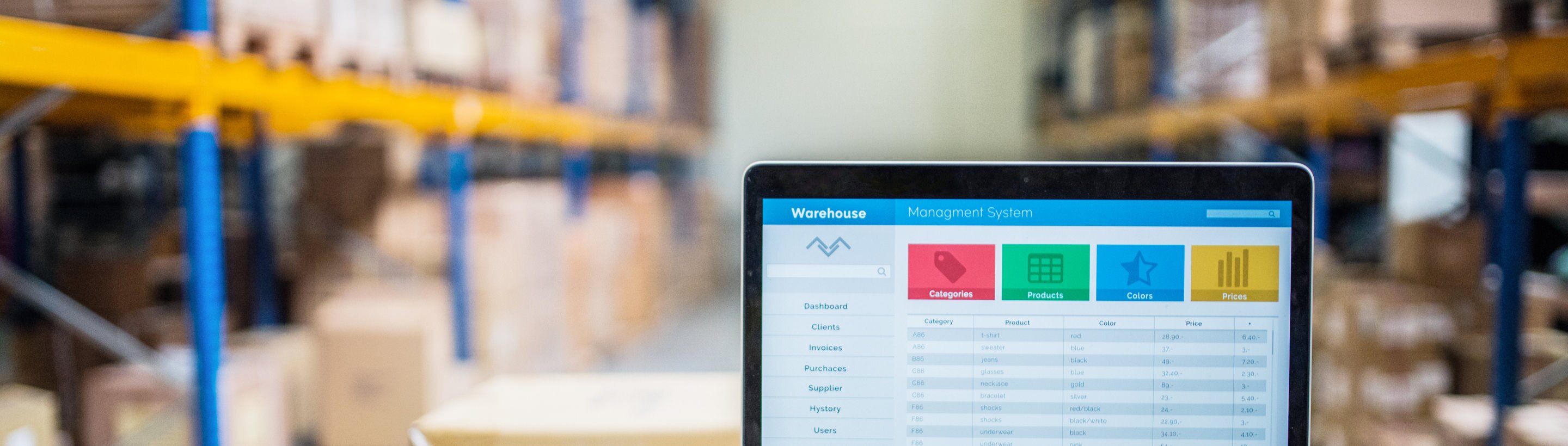
In today’s fast-paced ecommerce world, a 3PL or fulfillment provider must rely on technology to ensure decisions are made efficiently—from inventory management to labor planning, supplies procurement, and more. As order volumes fluctuate and consumer expectations continue to rise, warehouses can no longer rely solely on historical reports or manual forecasting.
Artificial intelligence and predictive modeling are quickly becoming the new cornerstone of modern ecommerce warehouses. One of the most powerful tools emerging from this shift is Digital Twins. Digital twins allow operators to simulate warehouse improvements, test infrastructure and automation additions, and analyze workflows in a virtual environment before making real-world adjustments.
For omnichannel operators juggling DTC orders, marketplace sales, and retail fulfillment simultaneously, digital twins provide something invaluable: a safe space to experiment. They allow businesses to model changes in order flow, labor allocation, inventory levels, and customer behavior to ensure operations continue performing at peak efficiency, even during the unpredictable ebbs and flows of ecommerce demand.

Give Your Customers More Order Flexibility
Learn how Magic Spoon increased customer acquisition and overall satisfaction by using virtual bundles.

What Is a Digital Twin at Its Core?
A digital twin is a virtual replica of a real-world system. It mirrors physical assets, workflows, or processes using real-time data, historical analytics, and predictive modeling.
Think of it as a living simulation of your business operations.
A digital twin continuously receives data from various sources—such as your warehouse management system (WMS), ecommerce platform, analytics tools, and supply chain software. It uses that information to simulate how your operation behaves under different conditions.
Instead of asking “What happened last month?”, digital twins help operators ask more valuable questions like:
- What will happen if order volume increases by 40%?
- What how will our throughput change if we reorient our warehouse picking routes?
- Which systemss will be stressed if a product suddenly goes viral?
The technology allows operators to test decisions before implementing them, reducing risk while improving operational efficiency.
Common Types of Digital Twins
Digital twins can exist at different levels depending on what part of the operation is being modeled.
- Component Twins replicate a single part of a system. They help test individual machines or pieces of equipment and predict when repairs or maintenance might be needed.
- Asset Twins analyze how multiple components work together in production. For example, they might simulate how conveyor belts, scanners, and packing stations interact during order fulfillment.
- System Twins (also called Unit Twins) combine component and asset twins to provide a broader view of operational performance. They show how multiple parts of the warehouse work together across departments.
- Process Twins are the most comprehensive models. They replicate the entire production or fulfillment process, from inventory receiving, to manifest, to final shipment. These require deeper expertise to build but provide the most powerful operational insights.
Digital Twins in Ecommerce Warehousing and Fulfillment
Digital twins are particularly valuable in omnichannel fulfillment environments, where rapid changes in demand, promotions, and customer behavior can dramatically impact operations.
Below are several of the most practical digital twin applications for omnichannel operators.
1. Inventory Twin
An inventory twin simulates your entire inventory ecosystem, predicting demand spikes, seasonal variations, and supply chain disruptions.
It combines historical sales data, real-time inventory levels, promotional calendars, and external signals (such as market trends) to anticipate future stock needs. Instead of reacting to inventory issues after they happen, operators can proactively adjust purchasing and distribution strategies.
Benefits and Impact:
- Reduce overstock and excess inventory
- Prevent stockouts
- Improve purchasing decisions
- Increase cash flow efficiency
Practical questions to ask your digital twin:
- “How many units of our hero product do I need for the upcoming influencer campaign?”
- “What reorder intervals should we use based on current market trends combined with our sales data?”
2. Forecasting Twin
A forecasting twin synthesizes both predictive forecasting and historical data analysis to provide a realistic projection of future operational needs.
Unlike simple forecasting tools, this model can simulate how different business decisions or market conditions might impact future demand. This level of foresight ensures operators are not caught off guard during major campaigns or seasonal surges.
Key Benefits and Impact:
- Reduce overflow and overstock
- Prevent stockouts
- Improve planning for packaging materials, cartons, dunnage, and other supplies
Practical example:
- “If order volume increases by 25% during our holiday promotion, how much additional packaging material will we need?”
- “How will a marketplace flash sale impact fulfillment capacity?”
3. Labor Twin
A labor twin anticipates workforce requirements based on predicted order volumes, historical performance data, and operational patterns. It can be applied to both warehouse teams and customer support staff. Labor twins allow operators to align staffing levels with demand, ensuring teams are neither overwhelmed nor underutilized.
Key Benefits and Impact:
- Proactive staffing instead of reactive scheduling
- Faster fulfillment times
- Reduced support costs
- Improved customer satisfaction
- Lower return rates due to improved accuracy
Practical questions to ask your digital twin:
- “Do I need extra support staff next Monday?”
- “Which days during holiday peak shopping typically see the largest spikes—and by what percentage?”
4. Warehouse Layout and Efficiency Twin
This model analyzes order flow and warehouse movement patterns to optimize layout and operational processes.
By simulating different warehouse configurations, it helps operators determine the most efficient picking routes, storage locations, and workflow designs. Even small layout adjustments identified through simulation can dramatically improve fulfillment speed.
Key Benefits and Impact:
- Faster picking and packing
- Improved storage optimization
- Reduced travel time for workers
- Better planning when introducing robotics or automation
Practical example:
- “If we move our top 50 SKUs closer to packing stations, how much time will we save per order?”
- “Where should we place new automation equipment to maximize efficiency?”
5. Customer Journey Twin
A customer journey twin replicates customer behavior across your ecommerce store in real time, tracking clicks, navigation patterns, and engagement signals.
Key Benefits and Impact:
- Identify friction points before they cause cart abandonment
- Improve checkout optimization
- Increase average order value
Practical questions to ask your digital twin:
- “If I move the shipping calculator above the fold, will conversions increase?”
- “Which product bundles are most likely to perform well at checkout?”
By simulating customer behavior, operators can improve both the buying experience and overall revenue.
Common Misconceptions About Digital Twins in Ecommerce Fulfillment
“Digital Twins Are Only for Enterprise Companies”
Not necessarily. While the technology originated in large manufacturing environments, modern cloud-based platforms and pre-built AI models have made digital twins far more accessible.
For smaller businesses or startups, the main barrier is often the upfront investment. However, as platforms continue to mature, digital twins are becoming increasingly practical for mid-market ecommerce operators as well.
“Digital Twins Take Months to Set Up”
Depending on the platform and integrations required, initial setup can sometimes be completed in days rather than months.
Many digital twin platforms connect directly to common ecommerce tools like analytics platforms, warehouse management systems, and ecommerce storefronts, allowing data to flow automatically into the simulation environment.
“Digital Twins Are Just Reporting Tools”
Digital twins go far beyond reporting dashboards.
While reports show what already happened, digital twins allow businesses to simulate what could happen next. They help operators test scenarios, forecast outcomes, and plan operational strategies with a much higher level of confidence.
Instead of simply analyzing past performance, digital twins enable companies to make smarter, data-driven decisions about the future.
Bottom Line
As ecommerce continues to grow more complex, the ability to simulate operations before making real-world changes will become a major competitive advantage. For omnichannel operators balancing multiple sales channels, fluctuating demand, and rising customer expectations, digital twins represent one of the most powerful tools available for building smarter, more resilient fulfillment operations.
This post was written by Maureen Walsh, Marketing Director at DCL Logistics. A writer and blogging specialist for 20 years, she helps create quality resources for ecommerce brands looking to optimize their business.
Looking for a Fulfillment Solution?
We love supporting trendsetting brands. Ask us about our customized fulfillment solutions, dedicated account manager support, and best-in-class order management platform.

Tags: Omnichannel Fulfillment, Warehouse Management