


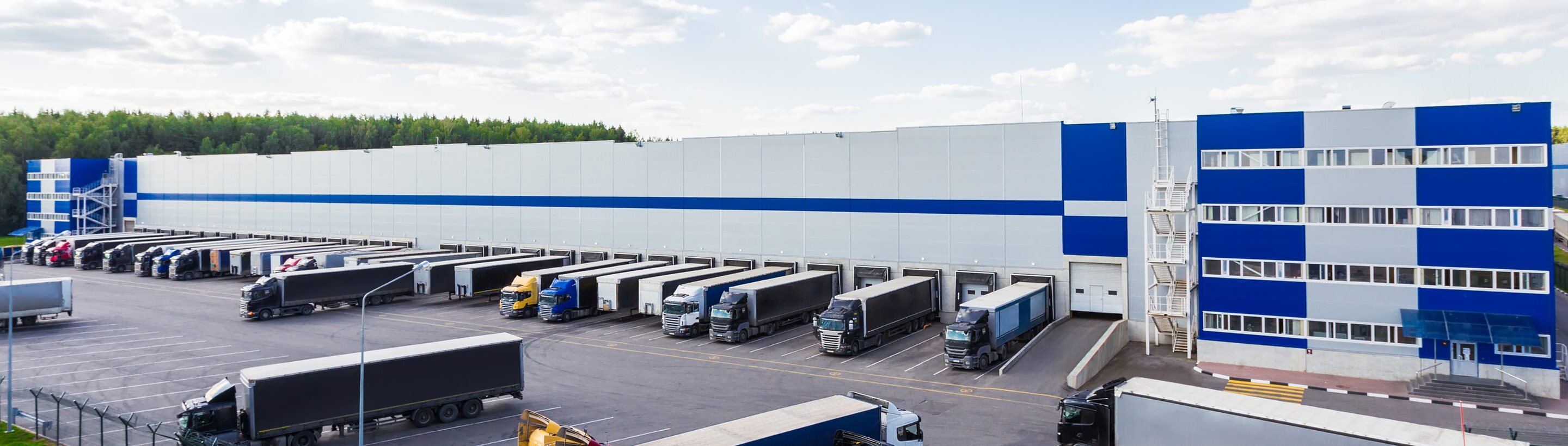
If you run an ecommerce business chances are that a basic core of your business involves fulfillment. Handling all the aspects of your ecommerce order fulfillment process can be a challenge, especially if you expect your business to grow.
Coordinating fulfillment requires a considerable amount of effort in itself—making sure it’s run as efficiently and cost-effectively as possible is the key to providing a positive customer experience. There are a few options to choose from when deciding the type of fulfillment that best fits your company, but mostly they can be divided into two main categories: doing it yourself, or outsourcing it which will likely mean to a third-party logistics provider (3PL).
Where to Start: The Differences Between Self-Fulfillment and Third-Party Logistics
If you are just starting out and have a small amount of inventory or very sporadic orders, it probably makes the most sense to handle all of the fulfillment yourself. However, depending on how much your sales or inventory might grow, it might make sense to outsource fulfillment. Considering your best fulfillment method requires weighing revenue, manpower, time, space, size, sales, employment, and many various costs.
Self fulfillment (also called in-house fulfillment) means that your company handles all the aspects involved in fulfillment. This can mean receiving products, unpacking them, repacking them, purchasing postage, going to the post office and much more. It may also require your business to lease warehouse space, since it might not be ideal from a cost standpoint to own your own warehouse. The main advantage of self fulfillment is that you are in complete control of the process from end-to-end. The main disadvantage of self fulfillment is that it can take up so much of your time that you wind up focusing more on fulfillment rather than other important areas of your business.
On the other hand, outsourcing to a 3PL means you store inventory in a third-party’s warehouse and they handle some or all of the picking, packing, shipping, and returns. An experienced 3PL can help improve your brand’s logistics by improving many of the back-end processes involved in fulfillment. 3PLs often have multiple facilities and warehouses strategically located around the country to help your products reach your customers faster and cheaper. This enables you to provide same-day shipping, which has become the norm in today’s world of Amazon Prime. Faster shipping speeds are especially important for ecommerce companies, since customers who shop online are seeking ways to make their experience more convenient, efficient, and faster instead of going into a retail store to make their purchases. They still, however, want their purchases to get into their hands as quickly as possible. 3PLs are also better positioned to adapt and scale during peak and holiday seasons to provide customers with what they need, as soon as possible. They can help by managing all of your inventory, tracking trends and analytics, and providing valuable reports that contain insights into your customer’s behavior.
Key Elements of Fulfillment to Consider
As stated above, when choosing the best fulfillment option for your company, there are many variables to weigh. There is no single formula for success, rather it’s managing time and cost to more effectively get products to your customers in the way they expect and demand. Here are some main key elements to consider when deciding on a fulfillment method.
Labor
If you handle fulfillment yourself then that means all of the staffing is up to you. This means finding employees, hiring them, training them, and managing them. This might be the biggest hassle associated with fulfillment. Since all of the labor costs and management are already included with the 3PL services then you can avoid having to deal with this.
Warehousing
The cost associated with receiving and storing your products can increase quickly. When you outsource your fulfillment, you don’t need to store inventory. Instead of paying to lease warehouse space yourself, a 3PL will already have space in their fulfillment centers for your products to be received and stored. This also helps you avoid other costs associated with operating a warehouse such as tables, materials, insurance, security, and more.
Shipping
Shipping costs are also a huge expense for any ecommerce business, especially if you are paying for all of your shipments ad-hoc at the rates charged by common carriers. A 3PL can help lower your cost per shipment, as their shipping rates are driven by the huge order volume they have. A 3PL can also get you access to better freight rates if your company requires that. You also cut down on costs of packing and shipping materials.
Inventory Management
Handling inventory management represents a huge burden for ecommerce businesses who fulfill in-house. You need to have the right software, people trained with it and track every order that comes and goes in order to avoid providing a negative customer experience and possible returns. 3PLs have the right software and systems in place to manage your inventory for you. Providers with technology and inventory tracking capabilities can monitor every single item that goes in and out of your ecommerce fulfillment platform. This will make your job easier, and help you to have a more accurate inventory count to avoid stockouts and other issues.
Warehouse Management
Warehouse management is another area where there are huge labor costs as well as software systems called warehouse management systems (WMS) that you need to make sure everything is running smoothly. These systems can help you control the storage and movement of your products and materials. Software applications included in this process can allow for centralized management of all the processes involved in your operations such as inventory tracking and stock locations. Since this is included with a 3PLs core services, outsourcing can be an easy and time saving way to avoid having to manage your own warehouse operations.
Scalability
When your ecommerce company (hopefully!) grows, you will need to make sure you can deliver all of your orders in the time promised to your customers. This ability to scale either up or down depending on your needs can present a huge challenge. A 3PL might be better equipped to help you keep up with a sudden uptick in the volume of orders. Since they have larger warehouses, the cost associated with scaling up or down is lower. Their multiple fulfillment centers also make it easier for you to ship your products to your growing customer base as quickly and inexpensively as possible.
FAQ: 3PL vs. Self-Fulfillment
Q: What is the difference between self-fulfillment and outsourcing to a 3PL?
A: Self-fulfillment (in-house fulfillment) means your company handles every aspect of the fulfillment process — receiving inventory, storing it, picking, packing, purchasing postage, and shipping orders. You retain full control but bear all the associated costs and operational burden. Outsourcing to a 3PL means storing your inventory in their fulfillment centers and having them handle some or all of the pick, pack, ship, and returns process on your behalf, in exchange for service fees that typically include labor, warehousing, and discounted carrier rates.
Q: When does it make sense to switch from self-fulfillment to a 3PL?
A: The clearest signals are: fulfillment is consuming more time than your core business activities, order volume is creating shipping errors or delays you can’t keep up with, you’re running out of storage space, or you’re unable to offer competitive shipping speeds (like 2-day delivery) that customers expect. Most ecommerce brands find the tipping point is somewhere between 50–200 orders per day, when the cost and complexity of in-house fulfillment starts to exceed what a 3PL would charge.
Q: How does a 3PL reduce shipping costs compared to self-fulfillment?
A: 3PLs negotiate volume-based carrier discounts with FedEx, UPS, USPS, and regional carriers that individual brands can’t access on their own. Because they’re shipping for dozens or hundreds of clients simultaneously, their aggregate volume gives them significant leverage on rates. They also have strategically located fulfillment centers that reduce shipping zones — the shorter the distance a package travels, the cheaper and faster it ships. Both factors combined typically result in meaningful per-shipment cost savings versus ad-hoc retail carrier rates.
Q: What are the hidden costs of self-fulfillment that brands often underestimate?
A: The most commonly underestimated costs are: warehouse lease and utilities, warehouse management software (WMS), labor for receiving, picking, packing, and shipping — including hiring, training, and managing staff, packing materials (boxes, tape, void fill), and the opportunity cost of the time you and your team spend on fulfillment instead of product development, marketing, or customer acquisition. When all these costs are totaled, outsourcing to a 3PL is often more cost-effective than it initially appears.
Q: Can a 3PL handle scaling during peak seasons better than self-fulfillment?
A: Yes — this is one of the strongest arguments for outsourcing. During peak seasons like Q4 or major promotional events, order volume can spike dramatically and unpredictably. A 3PL has larger facilities, existing labor pools, and established carrier relationships that allow them to scale capacity up or down quickly without the brand having to hire temporary staff, lease additional space, or renegotiate carrier contracts on short notice. For brands with significant seasonal demand swings, the 3PL’s built-in scalability alone often justifies the switch.
Bottom Line
The main benefit of outsourcing your fulfillment is that it frees up your time so you can focus on things that really matter like growing your business. Self fulfillment creates new responsibilities and logistical challenges like packing and shipping your own boxes. While that may initially sound like a simple task, there are many more burdensome and time-consuming processes involved with ecommerce fulfillment. You might save money by managing fulfillment yourself, but you will also increase your workload, and could wind up with more shipping errors, lost orders, returns, customer complaints, and more.
If you are deciding between self fulfillment or outsourcing to a 3PL we would love to hear from you. You can read DCL’s list of services to learn more, or check out the many companies we work with to ensure great logistics support. Send us a note to connect about how we can help your company grow.
Tags: Fulfillment Costs