



Class 3 Dangerous Goods: What Growing Ecommerce Brands Need to Know About Fulfillment Compliance
- More SKUs mean more compliance complexity. As product catalogs and sales channels expand, dangerous goods requirements need to be managed at the individual SKU, carrier, and service level.
- Shipping compliance is becoming more technology-driven. Carrier systems increasingly validate dangerous goods information during label creation, making accurate product data essential.
- Your 3PL needs modern, automated controls. The right fulfillment partner should connect product data, carrier rules, and visual packing instructions to help prevent errors before a shipment leaves the warehouse.
As ecommerce brands expand their SKU catalogs and expedite shipping for peak season performance, dangerous goods compliance becomes an increasingly important part of the fulfillment equation.
For example, a brand may have no need for dangerous goods compliance, but when they introduce a new product that needs special handling and labeling, they may find they don’t have a 3PL or fulfillment provider with the right qualifications to meet their new demand.
In logistics, growth brings complexity. More SKUs, new product variations, additional retail partnerships, and expansion into marketplaces all introduce new fulfillment requirements. But there’s one operational consideration that can easily get overlooked as brands scale, and that is dangerous goods (DG) management.
Products that were once relatively straightforward to ship can carry additional transportation requirements depending on their chemical composition, packaging, and classification. And as parcel carriers tighten enforcement and move compliance checks into their technology systems, the margin for error is shrinking.
For brands outsourcing fulfillment, choosing a 3PL with the right dangerous goods processes, expertise, and automation is becoming essential.
What Are Class 3 Dangerous Goods?
Class 3 dangerous goods are flammable liquids that present a fire hazard during transportation. These products can release flammable vapors that ignite when exposed to heat, sparks, or other ignition sources.
Common examples include perfumes, nail polish, certain cosmetics, paints, solvents, and alcohol-based products.
Not every liquid product automatically qualifies as Class 3. Classification depends on specific product characteristics, including its flash point and other applicable regulatory criteria. Products must be assessed and documented appropriately to determine their shipping classification and requirements.
For ecommerce brands, this distinction matters. A growing product catalog may contain dozens or hundreds of SKUs with different dangerous goods classifications, each potentially requiring different shipping methods, packaging, documentation, and labeling.
Managing those requirements manually becomes increasingly difficult as order volumes and sales channels multiply.
The Transportation Industry Is Changing: Compliance Is Moving Into Technology
Historically, dangerous goods acceptance relied heavily on paperwork, warehouse procedures, and visual checks at carrier handoff. Today, parcel carriers are increasingly embedding DG compliance directly into their shipping technology.
Carrier APIs can validate dangerous goods attributes when a shipping label is generated. This means that the product’s classification, the selected carrier, and the service level must align before a shipment can move forward. If the shipment does not meet the carrier’s requirements, the label may not be generated.
This represents a significant shift for ecommerce operators. Compliance is no longer something that can be checked exclusively at the packing station or corrected after an order has shipped. It needs to be built into the fulfillment process from the beginning.
Recent carrier network changes reinforce the importance of staying informed. For example, USPS has cited hazardous materials risks within its air network as a reason for shifting certain lightweight Ground Advantage shipments destined for noncontiguous locations to surface transportation, effective October 1, 2026.
For brands, these changes can affect transit times, available shipping services, customer delivery expectations, and shipping costs.
The takeaway? Carrier requirements are not static. Brands need a fulfillment partner that actively monitors shipping rules and can translate changing requirements into operational processes.
What Should Your 3PL Be Doing to Manage Dangerous Goods?
When evaluating a fulfillment provider, brands should look beyond whether a 3PL simply accepts dangerous goods. The more important question is how your fulfillment provider manages them throughout the order lifecycle. Checking for certifications that apply to your specific DG needs is also helpful.
1. Maintain Accurate, SKU-Level Dangerous Goods Data
Every applicable SKU should have documented DG attributes that inform how it can be stored, packed, labeled, and shipped. This information needs to be maintained in the fulfillment system and updated whenever product specifications or shipping requirements change.
As SKU counts grow, relying on spreadsheets, individual employee knowledge, or manual reference documents introduces unnecessary risk.
2. Validate Carrier and Service Compatibility
Not every carrier or shipping service accepts every dangerous goods classification. A capable 3PL should use product-level data alongside carrier and service requirements to determine which shipping options are permitted.
This is particularly important for omnichannel brands shipping DTC parcels, wholesale orders, retail replenishments, and marketplace inventory. Each channel can introduce different transportation requirements.
3. Automate Dangerous Goods Labeling
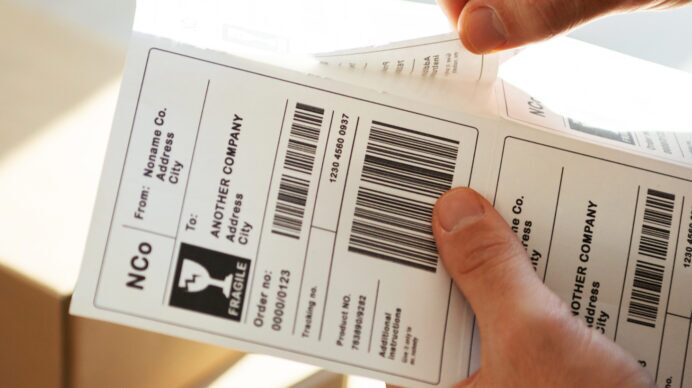
Correct labeling is a critical part of compliant dangerous goods transportation. Packages may require specific hazard labels, handling marks, and other box markings depending on their classification and the selected shipping service.
Your 3PL should not only have a standardized process that tells warehouse employees exactly what is required for each shipment, but an automated system that helps reduce manual issues. Technology is advanced enough that they shouldn’t be expecting individual packers to interpret complex regulations.
4. Establish Strong Change Controls
One frequently overlooked risk is changing shipment information after the labeling process has started.
Dangerous goods instructions are generated using a combination of product attributes, carrier selection, and shipping service. If any of these elements change after the labeling decision, the markings applied to the physical package may no longer match the shipment being tendered.
A robust fulfillment operation must prevent these mismatches through system controls and documented procedures. Changes to carrier, service, or product data should trigger the appropriate revalidation and labeling process.
Why Automated DG Processes Are Essential at Scale
Automation is not simply about making fulfillment faster. It is about maintaining accuracy and consistency as operational complexity increases.
Consider a brand shipping 50 SKUs with dangerous goods classifications through one DTC channel. Now add 200 additional SKUs, multiple marketplaces, wholesale retailers, and international shipping requirements.
The number of potential product, carrier, and service combinations grows quickly. Manual processes become harder to maintain, increasing the likelihood of incorrect labeling, rejected shipments, delays, compliance issues, and avoidable carrier fees.
Automation creates repeatable decision-making at the point of fulfillment. It reduces reliance on individual interpretation, helps maintain labeling accuracy, and creates a more consistent process across shifts, facilities, and order volumes.
It also helps protect the customer experience. A shipment that cannot be accepted because of incorrect DG information can create delays, additional costs, and unnecessary customer service escalations.
What Does Good DG Technology Look Like?
At DCL Logistics, dangerous goods management is supported by an internally developed DG labeling application designed to remove guesswork from the packing process.
The application relies on data, rather than static documents and embeds DG quality checks throughout the entire fulfillment flow. It starts by assigning dangerous goods attributes to each product based on SKU-level details. Labeling and box markings are assigned by automation, and warehouse operators receive visual guidance showing which marks and labels are required, what they look like, and where they should be placed on the package. Rather than requiring employees to interpret dangerous goods regulations at the packing station, the system provides clear, shipment-specific instructions.
Smart identification is used for carrier routing, ensuring specific DG items aren’t placed in sortation flows for inappropriate carriers or services. Quality checks are verified and if needed, photo documentation is provided to ensure any discrepancies are documented and cataloged.
This technology works alongside DCL’s broader quality and fulfillment systems, connecting product data and shipping decisions with execution on the warehouse floor.
Importantly, maintaining accurate product information and controlling changes to carrier and service selections are essential parts of this process. If shipment details change, the corresponding labeling instructions must be revalidated before the package moves forward.
Choosing a 3PL That Can Grow With Your Product Catalog
Dangerous goods compliance should not become a barrier to expanding your business. But it does require the right operational foundation.
As you evaluate 3PL partners, ask how they maintain SKU-level DG data, validate carrier restrictions, automate labeling, manage changes, and adapt to evolving carrier requirements. Ask to see the actual workflow, not just hear that they can handle hazardous materials.
For omnichannel brands, the stakes are particularly high. Your fulfillment partner needs to support DTC, retail, wholesale, and marketplace operations without compromising compliance as your business grows.
The right 3PL brings together operational expertise, technology, and disciplined processes to make dangerous goods fulfillment a controlled, repeatable part of your supply chain.
FAQs
Class 3 covers flammable liquids. Certain perfumes, nail polishes, paints, solvents, and alcohol-based products may qualify. Classification depends on the product’s characteristics and applicable criteria.
No. Not all cosmetics are classified as Class 3. Brands should maintain accurate product-level dangerous goods information rather than assuming classification based on product category.
A change to the carrier, service, or item information can create a mismatch between the shipment data and the package markings. The shipment should be revalidated, with updated labels and markings generated when required.
This post was written by Maureen Walsh, Marketing Director at DCL Logistics. A writer and blogging specialist for 20 years, she helps create quality resources for ecommerce brands looking to optimize their business.