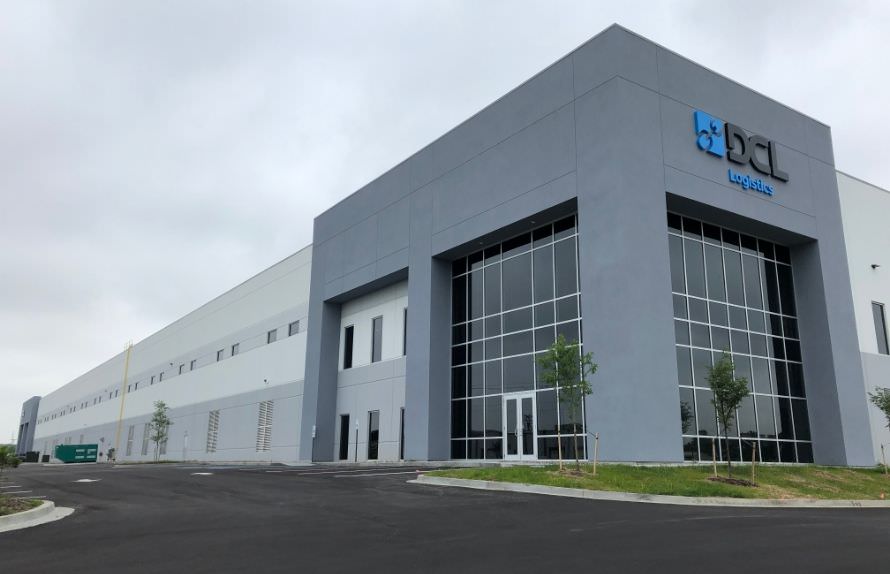



I’ve been thinking a lot about warehouse optimization lately. Between managing our recent peak season success and the latest addition to our national network (pardon the humble brag, but we’re excited!), it’s clear that the stakes for omnichannel fulfillment have never been higher.
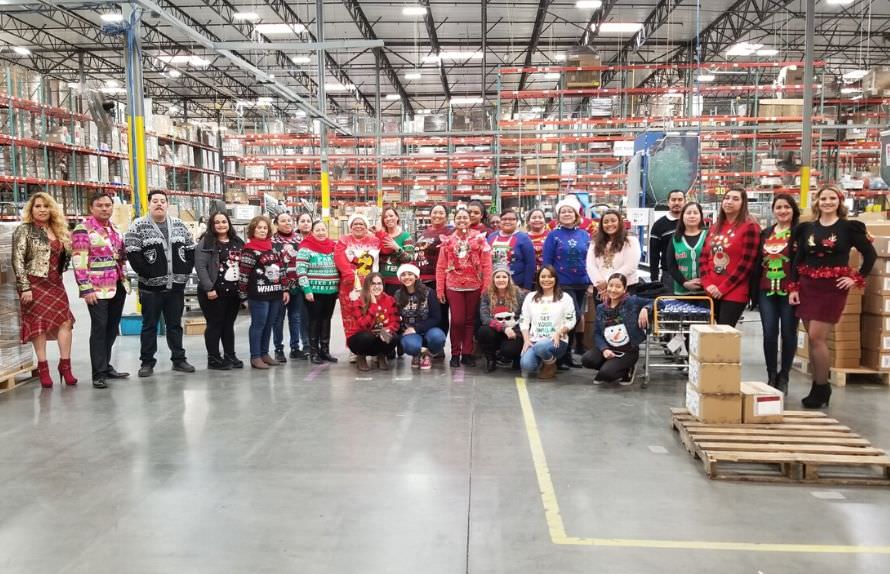
In an industry currently obsessed with “automated everything,” I still believe that human decision-making remains the backbone of logistics. Our business is built on managing exceptions. My amazing staff of operators handle unexpected daily challenges that a robot cannot solve. As we move into 2026, the warehouse infrastructure we use must evolve specifically to support those humans.
Here are three ways I am optimizing DCL’s infrastructure to support our customers for years to come.
1. Flexibility on the Lines Through a Single Pool of Inventory, Value-Adds, and Personalization
In a crowded market, value-added services (VAS) are now an expected differentiator. Whether it’s custom packaging for a DTC launch or large-scale kitting for a retail push, brands need a warehouse that acts as a seamless extension of their manufacturing line.
As brands navigate various channels, it becomes a complex task of balancing inventory pools across multiple channels—DTC, Amazon FBA, retailers, RMA. The pools of inventory are limitless because brands need to be where customers are, so the strategy becomes managing complexity in a workable way. As you add more pools of inventory, you also add working capital. But it’s not actually as simple as +2, it’s more like +2.2; it’s not just 3, it’s more like 3.6. The operational complexity of managing a growing business is exponential. The right partner has the flexibility in their operation and their culture to not only support this but help streamline and scale it.
In addition, providing flexibility closer to the consumer is a massive win for brands squeezed by tariffs and rising shipping costs. By moving these final touches (labeling or assembly) to the fulfillment center, brands can maintain higher quality standards and react to market shifts in real time.
Our facilities are equipped with conveyance and integrated systems that ensure we can handle the customization our brands require. Any omnichannel brand knows you must be able to pull the levers of each sales channel equally to meet customers where they shop. With the right infrastructure, high-touch DTC subscriptions can be handled just as efficiently as bulk retail replenishment.
2. Physical Capacity and Network Ownership for Control and Stability
Inventory location has never been as important as we’ve seen with both tariff uncertainty and domestic parcel shipping volatility. Brands know that warehouse location can drastically improve margins, customer satisfaction, and on-hand availability. Many brands may not see the stability and control a network of facilities can provide.
There are two points to this: strategic location and warehouse ownership.
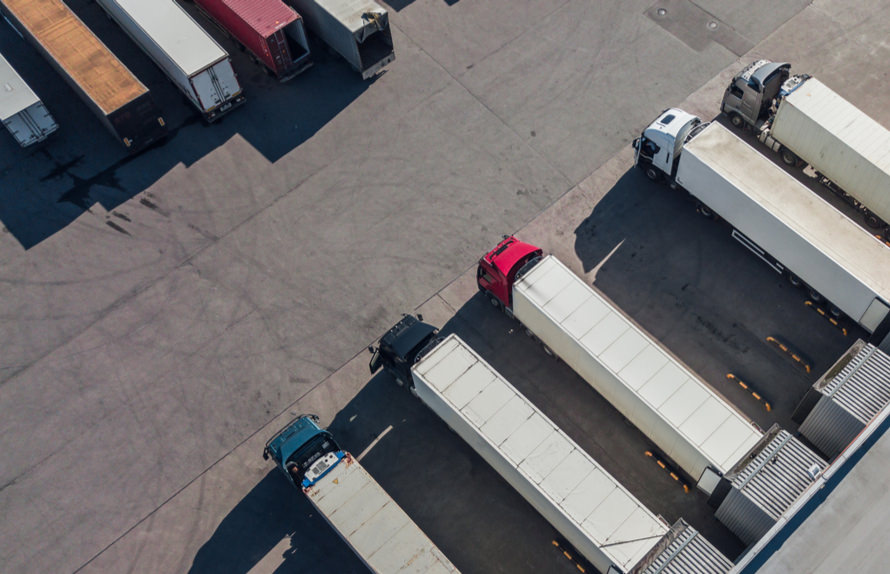
In 2026 location is everything. My team and I have worked hard to identify a network of strategic nodes across the US, Canada, and the EU. We give brands the ability to have premier access at many points across their customer base, providing optionality, lowering potential last-mile carrier costs, and decreasing transit times to end destinations. Never was this truer than the shuffle of locations in the US, Mexico, and Canada when the de minimis exemption was eliminated. Our integrated network was a haven from inflated costs or service disruptions.
Second, I’m proud that we’ve always owned our facilities. It gives us stability and quality control to implement infrastructure to meet the needs of our customers. We control the container for our brands’ growth and have a longer-term outlook; we maintain high standards and can pivot quickly when the market demands it.
While many 3PLs and 4PLs tout a 30 or 40 node network, many are renting a portion of those facilities and are not in direct control to make changes or manage the capacity to grow.
3. AI Used Effectively (Not Just for Show)
Having spent years working for Fortune 500 companies, I’ve seen plenty of static data centers. I am excited by the ability to use AI to move toward dynamic, automated systems. It is a game-changer for an industry where humans are the primary drivers.
We are implementing AI to help our team work smarter in three key ways:
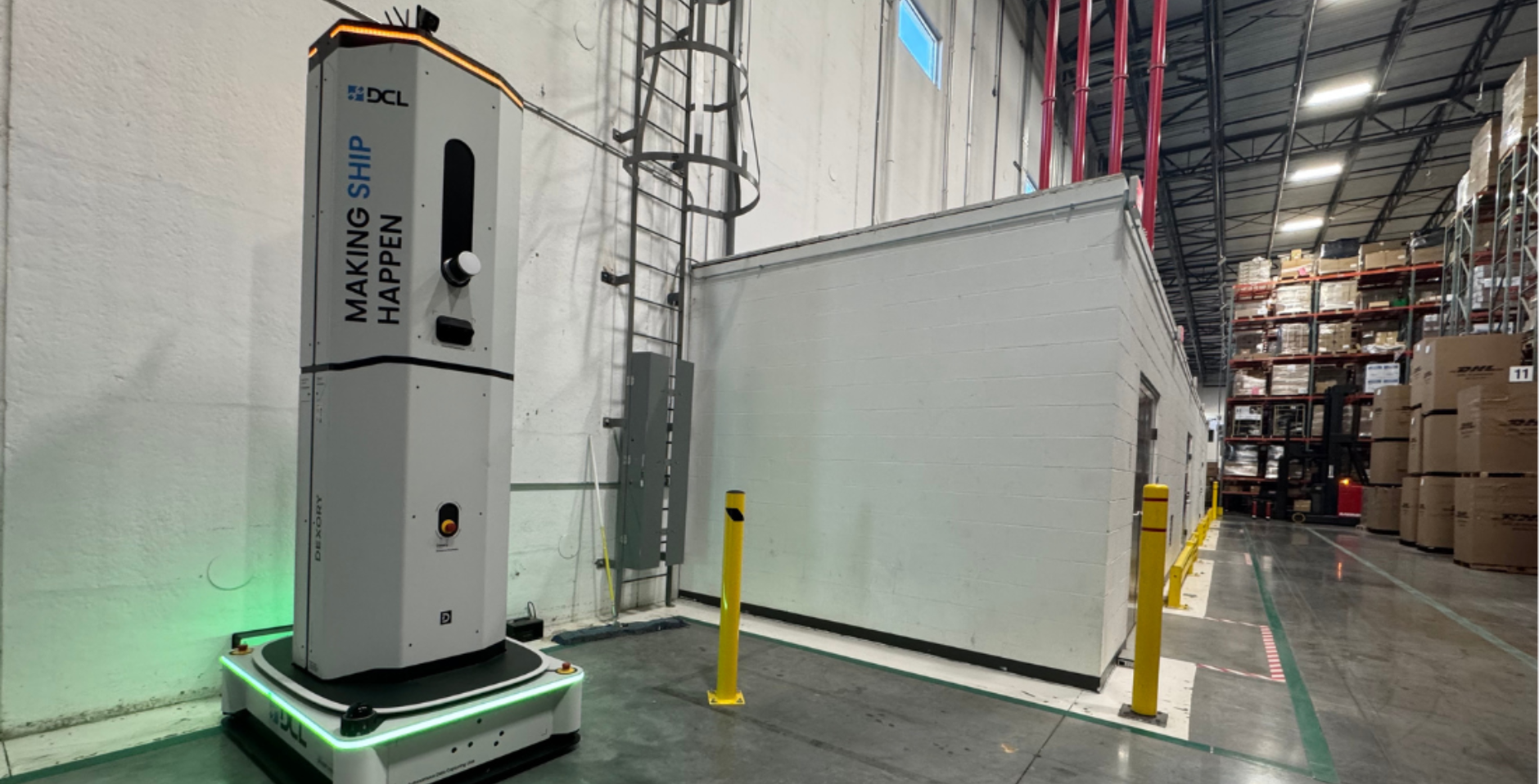
- Inventory Accuracy: We use automated cycle-counting robots to streamline inventory audits. Instead of manual, time-consuming counts, we now have real-time data every time our robot roams the warehouse. For our brands, this has resulted in a 14% increase in pallet accuracy and 10x faster counting.
- Smart Shipping Selection: Our AI-backed system, SelectShip, automatically chooses the best carrier and service level for every order. It calculates speed, routes, and cost in real time, per-package, helping brands avoid surcharges and often saving them up to 10% year-over-year on shipping.
- Predictive Analysis: We built a data pooling project designed to synthesize massive amounts of information to find patterns and improve forecasting. The project was built on an AI-native data platform to proactively surface information to drive efficiencies, identify potential issues, and provide value to our customers. AI is at its best when it helps us make faster decisions in high-stakes areas like transportation.
Looking Ahead
It is hard to predict exactly how the ecommerce industry will change, but based on the last five years, it certainly won’t be boring. Growing up in Silicon Valley, I’ve seen tech trends come and go. At DCL, we have always added new technology strategically, focusing on utility rather than hype.
Logistics will always be a labor-intensive industry, and I’m incredibly proud of the people who do this work every day. As this year evolves, I’m excited to keep building the infrastructure that allows our team—and our brands—to work smarter and scale faster.
With over 20 years of finance, sales, operations, and leadership experience, Dave has led DCL during a transformational time of growth, taking the company from a regional logistics operator to a national domestic provider. He leads with a tech-forward mindset, often investing in new operational tech (robotics, automation, green energy) to give DCL’s customers the best possible market advantage in the ever-shifting ecommerce landscape.

Need a Reliable 3PL?
We’ve been in business for over 40 years. Let us know how we can help your company grow.

Tags: Expert Advice & Tips, Warehouse Management


